

Lighting plays a major role in creating the right environment for American football games, especially during night matches or indoor stadiums. The amount of light, measured in lux, directly impacts player performance, spectator experience, and broadcast quality. Understanding how many lux are needed for American football field lighting involves exploring the different standards, factors affecting lighting needs, and technological advancements that influence the illumination levels.
Lux in Sports Lighting
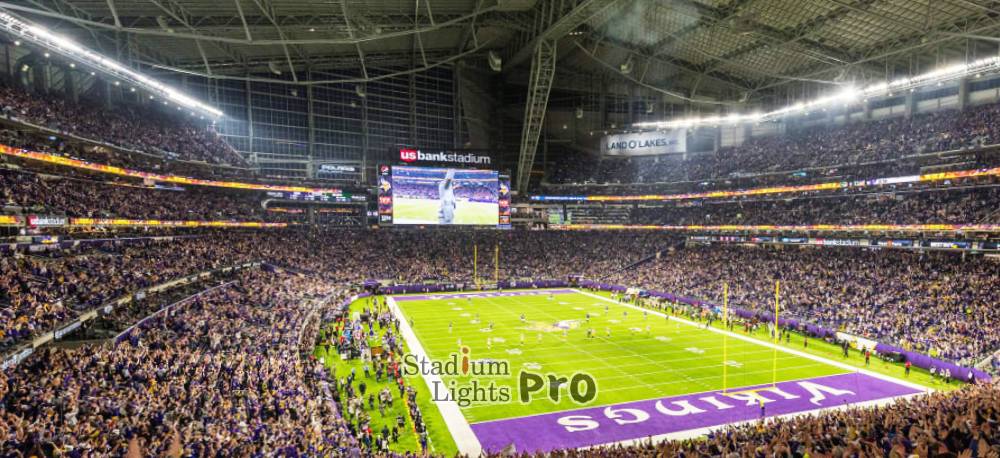
Lux is a unit of measurement for illuminance, representing how much luminous flux is spread over a specific area. In the context of sports fields, lux determines how well-lit the playing surface is. Higher lux values indicate brighter illumination, which helps players see the ball and field markings clearly, reduces shadows, and improves overall visibility for referees and spectators alike.
Proper lighting ensures safety by minimizing risks caused by poor visibility, such as collisions or misjudged plays. It also impacts how cameras capture the action, influencing broadcast clarity and viewer enjoyment. Since American football fields are large and players often move at high speeds, the lighting system must distribute light evenly to avoid dark spots and glare.
Lux Levels for Different Levels of American Football Games
| Level of Play | Typical Lux Range | Fixture Height (meters) | Number of Fixtures | Uniformity Ratio (Min/Average) | Auxiliary Area Lux | Energy Savings with LED |
|---|---|---|---|---|---|---|
| Recreational and High School | 100 – 300 lux | 12 – 18 m (40 – 60 ft) | 8 – 16 | 0.6 – 0.7 | Not typically specified | 30 – 50% |
| Collegiate | 300 – 750 lux | 20 – 30 m (65 – 100 ft) | 20+ | ~0.8 or above | 200 – 400 lux | Up to 40% |
| Professional and Broadcast-Level | 750 – 1500+ lux | 30 – 50 m (100 – 165 ft) | 40+ | High uniformity (exact ratio varies) | 200 – 500 lux | 50% or more |
Recreational and High School Football
At the recreational and high school levels, lighting systems are designed to balance functionality and cost-efficiency while ensuring enough illumination for safe play. Typically, these fields require lux levels ranging from 100 to 300 lux. This range supports players in clearly seeing the ball, field markings, and teammates during evening games or practices.
For most high school fields, the lighting fixtures are mounted on poles around 12 to 18 meters (40 to 60 feet) high. The total number of fixtures can vary from 8 to 16, depending on the field size and layout. The goal is to achieve an average illuminance of about 150 to 250 lux with a uniformity ratio (minimum to average lux) near 0.6 to 0.7, minimizing dark spots.
Many high school and recreational programs opt for LED retrofit projects, which reduce energy consumption by 30-50% compared to older metal halide systems. These LED systems also require less frequent maintenance, often lasting 50,000 hours or more before replacement, making them practical for schools and community parks with limited budgets.
The lux levels in this category do not meet broadcasting standards and can produce uneven light distribution that may impact player visibility at higher levels of competition. However, for local audiences and casual play, this level of lighting is effective and sustainable.
Collegiate Football Lighting
College football fields require enhanced lighting, both to accommodate larger crowds and meet media demands. Typical lux levels range from 300 to 750 lux, which supports clearer visibility and broadcast quality coverage.
Lighting poles in collegiate stadiums are usually mounted higher, between 20 and 30 meters (65 to 100 feet), with fixture counts often exceeding 20 to ensure even illumination. The goal is to achieve high uniformity with a minimum-to-average lux ratio closer to 0.8 or above, reducing shadows and improving player depth perception.
Broadcast cameras require flicker-free lighting at high frame rates, and 300-750 lux provides adequate brightness to support HD and some 4K broadcasts. Proper color rendering index (CRI) of above 70 to 80 is often targeted to deliver vivid, true-to-life colors on screen.
Collegiate stadiums also light auxiliary areas such as sidelines, benches, and media zones at levels between 200 to 400 lux. This creates a cohesive visual environment for live and televised events, improving safety and enhancing the fan experience.
Many collegiate venues incorporate dimmable LED systems with zoning controls that adjust lighting based on game requirements and available daylight. These controls help reduce energy use by up to 40% during non-peak times while maintaining consistent lux levels for games.
Professional and Broadcast-Level Football Fields

Professional football stadiums demand the highest illumination standards. Lux levels generally start at 750 lux and can reach upwards of 1500 lux or more, particularly for venues hosting nationally televised or internationally broadcast games.
Poles or lighting rigs are commonly mounted between 30 and 50 meters (100 to 165 feet) high, supporting large numbers of high-output LED or metal halide fixtures. Some stadiums use over 40 fixtures to achieve consistent illumination without glare. Beam angles and optical controls are precisely designed to avoid light spill outside the stadium.
These lux levels help reduce motion blur in slow-motion replays and provide sharp, clear visuals for cameras operating at very high shutter speeds. For players, the bright, uniform lighting aids in tracking the ball and opponents during fast-paced plays, supporting performance and safety.
Despite the power demands, professional venues often use smart lighting controls to reduce energy consumption during pre-game, halftime, or practice sessions. Upgrading to LEDs can lower energy use by over 50%, and advanced systems can dynamically adjust brightness across zones for efficiency.
In addition to field illumination, professional stadiums invest in lighting for locker rooms, tunnels, concourses, and seating areas. Lux levels in these zones typically range from 200 to 500 lux, enhancing the overall atmosphere and safety for spectators.
The combination of elevated lux levels and advanced lighting design in professional stadiums ensures an engaging experience for players, fans, and broadcasters worldwide.
Factors Affecting Lux Requirements for Football Field Lighting

Field Size and Layout
The overall dimensions and design of the football field play a major role in determining the lighting needs. A standard American football field measures approximately 100 yards (91.44 meters) in length and 53.3 yards (48.77 meters) in width, but lighting must also cover peripheral areas such as sidelines, team benches, and sometimes spectator zones. The larger the area requiring illumination, the more fixtures are necessary to achieve consistent lux levels across the surface.
Uniformity in lighting is a key consideration, as uneven distribution can create patches where visibility is reduced or overly bright spots that cause glare. Such inconsistencies can distract players and referees and reduce the viewing quality for spectators. Effective lighting designs use overlapping beams and careful positioning to maintain an even spread, ensuring no area falls below minimum lux thresholds.
Type of Lighting Fixtures
 The selection of lighting technology affects both the intensity and quality of illumination on the field. Traditional lighting options such as metal halide and halogen lamps have been widely used in the past, but they typically consume more energy and have shorter operational lifespans. Recently, LED fixtures have gained popularity due to their ability to provide high lux output with better energy efficiency and reduced maintenance.
LEDs offer superior control over beam angles and color temperature, enabling designers to reduce glare and light spill beyond the field boundaries. This focused illumination helps comply with local regulations on light pollution while enhancing player comfort. Additionally, LEDs have instant-on capabilities and maintain consistent brightness throughout their lifespan, avoiding the gradual dimming seen in older lighting types.
Mounting Height and Pole Placement
The height at which light fixtures are installed directly impacts how broadly the light spreads and how evenly it covers the playing surface. Higher mounting points—typically ranging from 12 meters (40 feet) for recreational fields to 50 meters (165 feet) for professional stadiums—allow for wider coverage but require fixtures with higher lumen output to maintain lux levels at ground level.
Strategic placement of poles around the field perimeter is essential to minimize shadows and avoid areas with insufficient illumination. Poles are arranged so that light beams overlap, creating uniform brightness and eliminating dark zones. However, care must be taken to avoid excessive brightness in any one area, which can lead to discomfort or visual impairments for players and viewers.
Surrounding Environment
Environmental factors around the football field influence lighting needs and design decisions. Physical obstructions such as trees, buildings, and stadium structures can block or absorb light, requiring additional fixtures or adjustments in placement to compensate. Shadow casting from these objects can affect player visibility, particularly in peripheral zones like sidelines and end zones.
Weather conditions also play a role; locations prone to fog, heavy rain, or snow may need increased lux levels to ensure the field remains adequately lit during adverse conditions. Atmospheric factors can scatter light and reduce visibility, prompting designers to increase brightness to maintain performance standards. Additionally, reflective surfaces nearby can either enhance or complicate lighting effects, necessitating careful calibration to balance light distribution.
Consequences of Having Too Many or Too Few Lux Levels
Effects of Excessive Lux Levels
When lighting on a football field exceeds recommended lux levels, it can create several issues that impact players, spectators, and the environment. Excessive brightness may cause glare, which can temporarily blind or distract players during fast-paced moments, increasing the risk of errors or injuries. For spectators, overly intense lighting can lead to discomfort and reduce the overall enjoyment of the game. Furthermore, very high lux levels contribute to light pollution, affecting nearby residential areas and wildlife. Energy consumption also rises with higher illumination, resulting in increased operational costs and environmental impact. Therefore, balancing brightness to avoid excess lux is vital for creating a safe, comfortable, and sustainable sports venue.
Consequences of Insufficient Lux Levels
On the other hand, insufficient lighting can compromise visibility, making it difficult for players to track the ball, judge distances, or see opponents clearly. Poor illumination often causes eye strain and fatigue, which can reduce player performance and increase the likelihood of mistakes or accidents. Spectators may struggle to follow the action, detracting from the excitement and engagement of the event. Inadequate lighting can also hinder referees’ ability to make accurate calls, affecting the fairness of the game. From a broadcasting perspective, low lux levels can produce grainy or blurry images, lowering the quality of televised coverage. Overall, too little light undermines safety, performance, and viewing experiences.
Finding the Right Balance
Achieving the proper lux level involves carefully balancing illumination intensity to meet the needs of players, officials, broadcasters, and spectators while minimizing negative side effects. This balance depends on factors like field size, competition level, and local environmental conditions. Modern lighting technologies and control systems help maintain optimal lux levels by enabling precise adjustments that respond to real-time requirements. Striking the right balance ensures a safe playing environment, a satisfying fan experience, and efficient energy use.
Impact of Lux Levels on Player Performance and Safety

Enhancing Visual Clarity and Reducing Fatigue
The quality and intensity of lighting on an American football field play a significant role in how players perform and stay safe during a game. Proper illumination helps athletes accurately judge distances, speed, and spatial relationships, which are vital for making split-second decisions on the field. When lux levels are sufficient and well-distributed, players can more easily track the ball’s trajectory, anticipate opponents’ movements, and coordinate plays effectively.
One of the ways appropriate lux levels improve performance is by reducing visual fatigue. Under poor lighting conditions, players’ eyes must work harder to focus and discern details, which can lead to faster onset of eye strain and headaches. Over the course of a long game or multiple practices, this strain can impair concentration and reaction times. Maintaining an average lux level that supports clear visibility helps athletes sustain their focus and responsiveness, which directly impacts the quality of play.
Safety Considerations and Lighting Design
Beyond performance, lighting has a direct influence on player safety. When illumination is uneven, creating dark spots or harsh glare, players may misjudge distances or fail to notice obstacles, increasing the risk of collisions or falls. Shadows can hide hazards on the turf or make the ball harder to see in critical moments. Ensuring a consistent lux distribution across the entire playing surface minimizes these risks by providing clear, uniform visibility, allowing players to react confidently and avoid accidents.
Glare from improperly aimed or excessively bright fixtures can also be a distraction or cause temporary blindness during rapid movements, leading to errors or injuries. Thoughtful lighting design considers fixture placement, beam angles, and shielding to limit glare exposure to players’ eyes. This contributes to an environment where athletes feel comfortable and can maintain their focus without interruption.
In addition to supporting player performance and safety, good lighting enhances the experience for referees and officials, who rely on clear visibility to make accurate calls. It also benefits coaches and trainers monitoring gameplay and providing real-time guidance. Together, these factors underline how lighting with adequate lux levels and careful design plays an integral role in the overall quality and fairness of American football games.
Audience Experience and Lux Requirements
Enhancing Visibility and Engagement for Spectators
Spectators attending American football games depend heavily on stadium lighting to clearly follow the fast-paced action on the field. Higher lux levels create a visually engaging environment by illuminating not only the playing surface but also the surrounding seating areas and pathways. This improved visibility helps fans track the players and ball more easily, enhancing their overall enjoyment of the event.
Beyond the field itself, well-designed lighting contributes to a more comfortable and immersive experience for attendees. Illuminated stands and concourses improve wayfinding and create a welcoming atmosphere, encouraging spectators to arrive early, stay longer, and participate actively throughout the game.
Safety, Comfort, and Environmental Balance
Good lighting also plays a role in stadium safety by ensuring that walkways, entrances, and exit routes are well-lit, reducing the risk of trips, falls, or other accidents as fans move around. This is particularly valuable during evening games or events held after dark.
At the same time, outdoor stadiums must manage challenges such as light pollution and unwanted light spillover that can impact neighboring communities or local wildlife. Effective lighting designs use shielding, precise beam control, and smart dimming technologies to limit lux spread beyond the venue while maintaining the brightness and quality required on the field and spectator areas. This balance helps stadiums provide a high-quality fan experience while being mindful of their environmental footprint.
Standards and Guidelines for Football Field Lighting
Recommendations from Sports Lighting Organizations
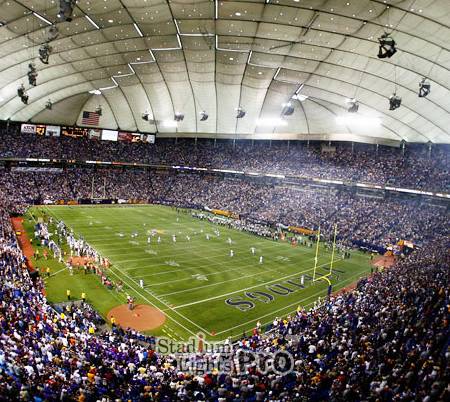 Numerous sports and lighting bodies have developed comprehensive guidelines that address the specific lighting needs of football fields. The Illuminating Engineering Society (IES), a leading authority in lighting standards, offers in-depth recommendations based on various playing levels, usage scenarios, and environmental considerations. These guidelines serve as a foundation for designing lighting systems that provide adequate visibility for players, officials, and spectators alike.
The IES categorizes lux levels by the level of play and usage. For recreational and practice fields, lighting levels generally range from 100 to 200 lux, providing sufficient illumination for safe and effective training or casual games without incurring high costs. High school football fields typically require brighter lighting, with lux recommendations between 300 and 500 lux, to accommodate evening games that attract local crowds and provide a better viewing experience.
At the professional level, lighting standards become more demanding, especially in stadiums hosting televised games. Recommended lux levels start at around 750 lux and can exceed 1500 lux for venues with extensive broadcast coverage and ultra-high-definition (UHD) requirements. These elevated levels ensure uniform brightness, reduce shadows, and enhance the overall aesthetics of the stadium environment.
Beyond lux values, the IES and similar organizations emphasize uniformity ratios—measuring the consistency of illumination across the field—and color rendering indexes (CRI) that influence how colors appear under artificial lighting. Maintaining these parameters within recommended ranges improves gameplay, officiating accuracy, and spectator satisfaction.
Broadcast Standards
Broadcasting networks and streaming platforms add further layers of complexity to lighting specifications for football fields. High-definition (HD) and ultra-high-definition (UHD) camera systems require lighting that delivers both high intensity and excellent uniformity to avoid flickering and image distortion during fast motion sequences.
Typically, broadcast standards demand lux levels of at least 1000 lux, with many venues pushing toward 1500 to 2000 lux to meet the rigorous requirements of modern television production. These levels ensure that cameras can use faster shutter speeds to capture sharp, blur-free footage, which is crucial for sports like American football where rapid movements occur.
Uniform lighting is particularly important to prevent flicker, which occurs when light sources pulse at a frequency incompatible with camera frame rates. Flicker can cause distracting visual artifacts and reduce image quality. Thus, modern lighting systems designed for broadcast use often incorporate flicker-free drivers and advanced dimming controls.
Additionally, broadcasters require lighting with a high color rendering index, often above 80 CRI, to reproduce natural colors on screen. Proper lighting enhances the viewer experience by ensuring that team uniforms, field markings, and the ball appear vibrant and clear.
Many stadiums invest in dynamic lighting controls that adjust brightness based on camera angles, game phases, or ambient conditions, optimizing both energy use and broadcast quality. Compliance with these standards is often a deciding factor in stadium design and renovation projects aimed at hosting major televised events.
Technological Advances Influencing Lux in Football Lighting
LED Lighting Innovations
LED technology has revolutionized sports lighting, bringing a new era of high-performance illumination for football fields. Unlike traditional metal halide or halogen lamps, LEDs deliver exceptionally high lux levels while consuming significantly less energy. This leap in efficiency means stadiums can achieve brighter, more uniform lighting without dramatically increasing operational costs.
One of the key benefits of LEDs is their precision. Lighting designers can configure individual fixtures to produce tailored light distributions that focus illumination exactly where it’s needed on the field, reducing light spill and glare that could distract players or disturb nearby communities. This precise control helps to create a visually comfortable and safe environment for athletes and spectators alike.
Moreover, LEDs achieve full brightness immediately when turned on, eliminating the warm-up periods required by older lighting systems. This feature is especially useful during events with variable schedules or sudden lighting adjustments. Their long lifespan, often exceeding 50,000 hours, reduces maintenance frequency and downtime, which is advantageous for venues hosting frequent games or practices.
Smart Lighting Controls
The integration of smart control systems has introduced flexibility and energy savings into football field lighting. Operators can dynamically adjust lux levels in response to real-time conditions such as ambient daylight, weather changes, or different phases of a game. For instance, lighting intensity can be lowered during pre-game warmups and increased when the main event begins.
Advanced control systems often allow for zoning, where different sections of the field or stadium are illuminated independently. This zoning capability means lux levels can be fine-tuned based on usage, such as brighter lighting on the playing surface and softer lighting in spectator areas, or dimming unused sections to conserve energy. Automated scheduling and remote management further streamline operations, reducing the need for on-site personnel during events.
These smart controls contribute to more sustainable stadium operations by minimizing unnecessary energy consumption, extending the life of fixtures, and maintaining consistent illumination levels that support player safety and broadcast quality.
Integration with Broadcast Technology
Modern lighting systems are increasingly designed to work in harmony with broadcast technology, enhancing the visual quality of televised football games. By synchronizing lighting adjustments with camera movements and production needs, these systems help maintain optimal lux levels that prevent flicker, reduce shadows, and improve color accuracy on screen.
This integration allows lighting to adapt to different camera angles, zoom levels, and special effects, ensuring that every shot is well-lit regardless of where the action occurs on the field. For example, slow-motion replays or close-up shots often require brighter, more focused illumination, which smart lighting systems can provide instantaneously.
Additionally, broadcast synchronization helps minimize light flicker caused by mismatched frequencies between lighting fixtures and camera shutter speeds, resulting in smoother and more professional broadcasts. This level of control enhances the viewing experience for audiences around the world and supports broadcasters in delivering high-quality sports coverage.
Maintenance and Operational Considerations for Lux Levels
Regular Cleaning and Upkeep
Maintaining consistent brightness and uniformity in football field lighting requires regular cleaning and upkeep of fixtures and lenses. Over time, environmental factors such as dirt accumulation, dust, bird droppings, and weather exposure can significantly reduce the effective lux output. This gradual decline leads to dimmer illumination, which can negatively affect visibility and player performance. Routine maintenance schedules that include cleaning ensure that the lighting system continues to deliver the intended lux levels. Additionally, regular inspections help identify early signs of wear or damage, preventing unexpected failures during important games or events. Proper upkeep also contributes to extending the overall lifespan of the lighting equipment, protecting the initial investment and avoiding costly replacements.
Fixture Replacement and Upgrades
Light fixtures naturally degrade over time, with their efficiency and output declining due to aging components and technological obsolescence. Many older football field lighting systems originally used metal halide or halogen lamps, which typically experience lumen depreciation and longer warm-up periods. Transitioning to modern LED lighting technology offers multiple advantages. LEDs provide higher and more stable lux levels, faster start-up times, and improved color rendering. Upgrading fixtures also often results in better control over light distribution, reducing glare and enhancing uniformity across the field. Beyond performance improvements, LED upgrades can substantially reduce maintenance frequency due to their longer operational life—often rated for 50,000 hours or more—cutting down on downtime and labor costs. Proactively planning fixture replacements and incorporating newer lighting technologies helps maintain a visually appealing and functionally superior environment for players, officials, and spectators alike.
Energy Management and Operational Efficiency
Football fields require high-intensity lighting for extended durations, especially during evening games and events, which can translate to significant energy consumption and associated costs. Efficient energy management becomes an important operational consideration for facility managers. Implementing energy-efficient fixtures such as LEDs can reduce power usage by 30% to over 50% compared to traditional lighting technologies. Furthermore, smart lighting control systems provide dynamic management of lux levels, allowing operators to adjust brightness based on real-time conditions such as natural daylight availability, game phases, or broadcast requirements. Zoned lighting and dimming capabilities prevent unnecessary illumination of unused areas, further optimizing energy consumption. Incorporating energy management not only supports financial sustainability by lowering utility bills but also aligns with environmental goals by reducing the carbon footprint of sports venues. Together, these practices ensure that football field lighting remains effective, cost-efficient, and environmentally responsible over the long term.
Financial Aspects of Achieving Desired Lux Levels
Installation Costs and Equipment Selection
The initial expense of setting up a lighting system to meet specific lux requirements can vary widely depending on several key elements. The choice of fixture type plays a major role—advanced LED systems, while more costly upfront compared to traditional metal halide or halogen lights, offer better energy efficiency and longevity. The total number of poles and fixtures needed is influenced by the field size and the lux levels aimed for; higher lux levels demand more fixtures or fixtures with greater output, which raises installation costs. Additionally, factors like the height and placement of poles, the complexity of wiring, and the integration of control systems contribute to the overall capital investment. Site preparation and labor expenses also add to the upfront cost, especially for large stadium projects.
Energy Consumption and Operational Expenses
Once installed, lighting systems that achieve higher lux levels generally consume more electricity, which impacts operational budgets over time. Fixtures with higher wattage or a larger number of units increase power usage during game days and practice sessions, particularly when lighting must be maintained for extended periods. Energy-efficient technologies such as LED lights help mitigate these costs by using less power for the same light output. Smart lighting controls—such as dimming functions, zoning capabilities, and scheduling—allow further reductions in energy consumption by adjusting illumination based on real-time needs and daylight availability. These savings can accumulate substantially over years of use, offsetting the initial investment.
Maintenance and Lifecycle Cost Considerations
Maintenance requirements also affect the financial equation. Traditional lighting systems often need frequent bulb replacements, ballast servicing, and more intensive upkeep, which increases labor and material costs. Modern LED fixtures, on the other hand, have longer lifespans—often exceeding 50,000 hours—reducing replacement frequency and associated expenses. Additionally, LEDs typically maintain consistent lux output throughout their lifespan, whereas older technologies experience lumen depreciation, requiring more frequent upgrades or fixture additions to maintain desired brightness. Investing in durable, low-maintenance lighting infrastructure lowers long-term costs and minimizes downtime, contributing to smoother facility operations.
Budget Planning and Return on Investment
Considering the financial aspects of football field lighting involves balancing initial expenditures with ongoing operational savings and the value of enhanced lighting quality. While more efficient LED systems and smart controls may require higher upfront capital, the reduction in energy bills and maintenance costs often leads to a favorable return on investment within a few years. Proper budgeting should also account for future scalability and potential technological upgrades, ensuring that the lighting system remains adaptable to changing needs or standards. Ultimately, strategic financial planning that incorporates these elements supports both immediate and long-term benefits, aligning with sustainability goals and user satisfaction.
Final Thoughts on Lux Levels for American Football Field Lighting
Determining how many lux are suitable for lighting an American football field involves considering the level of play, broadcast demands, and environmental factors. Lux levels vary widely from recreational fields with lower illumination to professional stadiums requiring intense, uniform lighting to support fast-paced action and high-definition broadcasts.
Modern lighting technologies, especially LED systems combined with smart controls, offer the ability to achieve optimal lux levels efficiently and sustainably. Properly maintained lighting systems improve player safety, enhance spectator experience, and meet the rigorous standards of televised sports.
Attention to fixture placement, mounting height, and light distribution ensures that fields are evenly illuminated, reducing shadows and glare. Balancing the financial aspects with the benefits of high-quality lighting encourages long-term investments that keep American football games vibrant and visually accessible for all participants and viewers.
The journey to achieving ideal lux levels is a combination of technical knowledge, careful design, and ongoing maintenance. With these factors aligned, football fields can shine bright under the stadium lights, creating memorable moments for players and fans alike.