Lighting an ice hockey rink involves various costs that differ greatly depending on the type of rink, the intended level of use, and the technical specifications required. Whether the rink serves recreational skaters, a community league, or high-level competitions, the price range for lighting can vary widely. Exploring these differences reveals the factors that influence expenses and ways to manage the investment effectively.
Cost Range of Different Types of Ice Hockey Rinks
Recreational Ice Hockey Rinks – Modest Needs and Budget-Friendly Solutions
| Rink Type | Typical Lux Level | Fixture Count | Fixture Wattage Range | Ceiling Height (ft) | Estimated Cost Range |
|---|---|---|---|---|---|
| Recreational Rinks | 150 – 300 lux | Fewer fixtures | 250 – 400 W | < 30 | $30,000 – $100,000 |
| Community Rinks | 300 – 500 lux | 40 – 70 fixtures | 400 – 600 W | 30 – 50 | $100,000 – $400,000 |
| Competition Rinks | 750 – 1500+ lux | 60 – 100+ fixtures | 500+ W (LED) | 40+ | $500,000 – $1,000,000+ |
Recreational ice hockey rinks tend to have more basic lighting requirements compared to community or competition-level facilities. These rinks primarily cater to casual skaters, beginners, and local users, where the goal is to provide a safe, comfortable environment without demanding highly specialized lighting features.
Lighting systems for recreational rinks usually involve fewer fixtures with moderate wattage, aiming to deliver basic illumination levels typically ranging between 150 to 300 lux. This level is adequate for general skating, practice sessions, and non-professional activities. The fixture types often include standard metal halide lamps or entry-level LED panels depending on budget constraints.
The total cost for lighting installations in recreational rinks generally ranges from about $30,000 up to $100,000. These costs cover equipment such as light fixtures, ballasts or drivers, wiring, mounting hardware, and installation labor. Smaller rinks, often less than 100 feet by 50 feet, demand fewer lights and simpler layouts, which contributes to the lower end of this cost spectrum. Ceilings under 30 feet height typically do not require high-wattage fixtures, further controlling expenses.
Since recreational rinks often lack advanced features like dimming controls, broadcast-quality lighting, or glare reduction technologies, the overall system is simpler, keeping both initial and operating costs relatively modest.
Community Rinks – Serving Organized Leagues and Training Programs
Community ice hockey rinks cater to a larger and more diverse group of users, including youth hockey leagues, adult amateur teams, and training academies. This expanded scope leads to more demanding lighting specifications, aimed at supporting better visibility for players, referees, and spectators.
Typically, community rinks require lighting systems designed to produce lux levels between 300 and 500, which enhances visibility and reduces eye strain during games and practices. Fixture counts rise accordingly, often requiring between 40 to 70 fixtures, depending on rink size and ceiling height. The mounting height in community rinks can vary from 30 to 50 feet, necessitating fixtures with higher wattage or advanced optics to maintain uniform coverage.
The cost of lighting installations in community rinks usually falls between $100,000 and $400,000. This range accounts for the additional number of fixtures, higher-quality lamps or LEDs, more complex wiring systems, and labor costs. Many community rinks now opt for LED upgrades, which, while raising initial expenses by approximately 20% to 40% compared to traditional lighting, deliver long-term savings on electricity bills and maintenance.
Additional costs may include remote lighting control systems, allowing operators to adjust brightness levels easily or switch lighting zones on and off for energy savings. These features, along with improved glare control optics to minimize light spill and discomfort, add to both hardware and installation expenses.
Competition-Level Rinks – High Performance and Advanced Technology
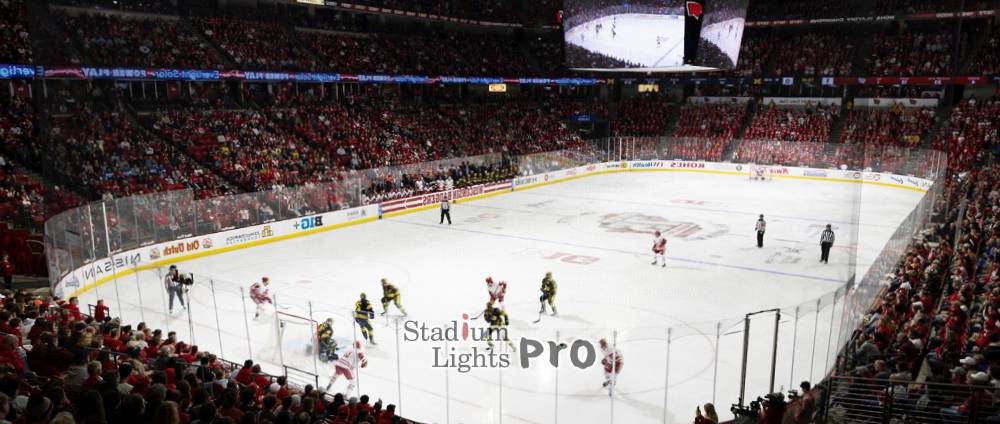
Competition-level ice hockey rinks, especially those used for professional matches, televised events, or tournaments, require state-of-the-art lighting systems that meet stringent standards for brightness, color accuracy, and uniformity.
These venues demand lux levels of 750 to 1500 or more to support high-speed gameplay, official reviews, and broadcasting needs. To achieve this, competition rinks often use high-powered LED fixtures, sometimes exceeding 500 watts per unit, and install anywhere from 60 to over 100 fixtures depending on the size of the arena and ceiling height, which can be 40 feet or higher.
Lighting systems for competition rinks incorporate advanced features such as dimming capabilities, programmable scene controls, anti-glare lenses, and color temperature tuning to adapt lighting for different events or broadcasting conditions. The color rendering index (CRI) is typically above 80 or even 90, ensuring vivid, accurate color reproduction on TV.
Due to the complexity and sophistication of these lighting solutions, installation costs frequently range from $500,000 to well over $1,000,000. Large, professional arenas may approach or exceed the million-dollar mark due to multiple mounting zones, custom lighting layouts, and integration with broadcast production equipment.
Competition rinks often require specialized lighting for high-definition television and streaming broadcasts, which demand very consistent illumination and minimal flicker or color shifts. Planning and engineering time for these systems is extensive, adding design fees of 10% to 20% of the total lighting budget.
Factors Affecting the Cost of Ice Hockey Rink Lighting
Size of the Ice Hockey Rink
The size of the rink is a major factor influencing the overall cost of lighting. A standard NHL-sized rink measures approximately 200 feet by 85 feet, but rinks can vary considerably depending on local regulations or the rink’s intended use. Larger rinks require more lighting fixtures to ensure the entire playing surface is illuminated evenly. As the surface area increases, so do the demands for equipment, wiring, and labor, all of which contribute to a higher total cost.
In addition to the rink’s footprint, the height of the ceiling or roof structure plays a role. Higher ceilings generally call for fixtures with greater wattage or more advanced optics to project sufficient light onto the ice surface. This need for more powerful or specialized fixtures typically results in elevated equipment and installation expenses.
Number of Lighting Fixtures Required
The total number of fixtures required depends not only on rink size but also on the lighting design and layout goals. The objective is to achieve uniform light distribution, minimizing shadows, glare, or dark spots that can affect player performance and audience experience. To accomplish this, lighting designers may recommend a greater number of fixtures than a simple coverage calculation would suggest.
An increase in the number of fixtures results in higher hardware costs and longer installation time, both factors that raise the overall price. Moreover, the type of lighting technology chosen influences fixture count—some systems require fewer but more powerful fixtures, while others may need many smaller units to reach desired illumination levels.
Required Illumination Level (Lux)
Lighting intensity is measured in lux, which quantifies how much light falls on a surface. The lux level required varies based on the rink’s purpose. For recreational or practice use, lower lux levels may suffice, but arenas designed for professional games or televised events demand much higher illumination for clear visibility.
Higher lux levels require either more powerful fixtures or a larger number of lights, which can substantially increase both the initial installation cost and ongoing energy consumption. On the other hand, some energy-efficient lighting solutions can meet lux requirements with fewer watts, although they may come with a higher upfront cost.
Type of Lighting Technology
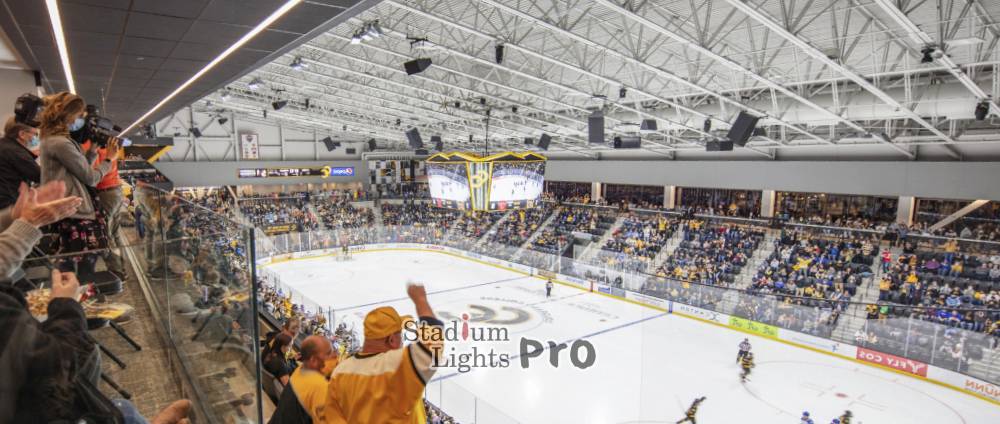
The lighting technology selected has a profound impact on the total cost. Traditional options like metal halide or fluorescent lamps tend to have lower initial costs but consume more energy and need frequent replacements. Modern LED lighting systems, although more expensive initially, offer longer lifespans, lower energy consumption, and superior light quality.
Choosing LED fixtures can raise upfront expenditure but is often viewed as a worthwhile investment due to lower maintenance needs and reduced electricity bills over time. Additionally, LED fixtures vary in features such as beam angles, color rendering index, and dimming capabilities, all of which affect pricing.
Installation Complexity and Labor Costs
Lighting an ice hockey rink is a specialized task requiring expertise in electrical systems and structural considerations. The design must account for electrical load capacity, fixture mounting, wiring, and adherence to local safety codes. In cases where the rink is part of a larger complex, integrating lighting with existing control systems can add to project complexity.
Labor costs vary widely depending on geographic location, availability of skilled installers, and project timelines. Installation challenges, such as difficult access or architectural nuances, can extend labor hours and increase expenses. The installation of advanced control systems or automation features will further add to both labor and equipment costs.
Energy Efficiency and Long-Term Operating Costs
While the initial installation cost is a significant factor, the energy consumption and long-term operational expenses should also be considered. Efficient lighting solutions reduce electricity usage, potentially leading to substantial cost savings over time.
Many rink operators opt for higher upfront investments in energy-saving technologies, such as LED fixtures equipped with dimming capabilities or motion sensors, to decrease ongoing costs. The decision to invest in such technology is influenced by factors like available budget, energy rates, and the rink’s operational schedule.
Control Systems and Automation
Modern ice hockey rink lighting systems frequently incorporate control and automation features to adjust brightness based on usage scenarios, time of day, or special events. These systems improve user experience and allow for better energy management.
Implementing controls such as dimmers, timers, or smart lighting systems involves additional hardware and software components, which increase the initial cost. Programming and commissioning the system also add to labor expenses. Despite the higher upfront cost, such systems often lead to improved operational flexibility and energy savings.
Quality and Brand of Fixtures
The cost of lighting fixtures varies significantly depending on the manufacturer’s reputation, build quality, warranty offerings, and included features. Premium brands often carry a higher price tag but may deliver better reliability and longer warranty periods. More budget-friendly fixtures might reduce initial investment but could result in frequent replacements or subpar performance over time.
Selecting the right fixtures requires balancing quality with budget considerations. For high-usage rinks, investing in durable, high-quality fixtures may prove more economical in the long term by reducing maintenance and replacement frequency.
Maintenance and Replacement Considerations
Maintenance demands and replacement intervals affect the total cost over a lighting system’s lifespan. Fixtures with longer lifespans reduce the need for frequent replacements, cutting down labor and material expenses. For example, metal halide lamps typically last between 10,000 and 15,000 hours, whereas LEDs can operate for 50,000 hours or more.
Some lighting systems may require specialized tools or trained personnel for maintenance, potentially increasing operational costs. Factoring in these considerations can influence the choice of lighting technology and fixture type.
Environmental and Regulatory Factors
Regulations related to energy efficiency, light pollution, and safety standards can impact project costs. Meeting such requirements may necessitate purchasing certified fixtures, adding light shielding, or adopting specific control strategies.
Environmental conditions related to the rink’s location also influence lighting choices. For instance, outdoor or semi-enclosed rinks require fixtures rated for weather resistance, which typically come at a premium compared to indoor-rated models.
How to Save Money on Buying the Lights
Reducing costs when purchasing lighting for an ice hockey rink—or any sports facility—goes far beyond picking the cheapest fixtures. It requires a comprehensive strategy that combines efficient design, smart technology choices, and long-term financial thinking. From initial planning through to maintenance, each stage offers opportunities to save money while still achieving high-quality lighting that meets regulatory and performance standards.
Investing in Energy-Efficient LED Lighting
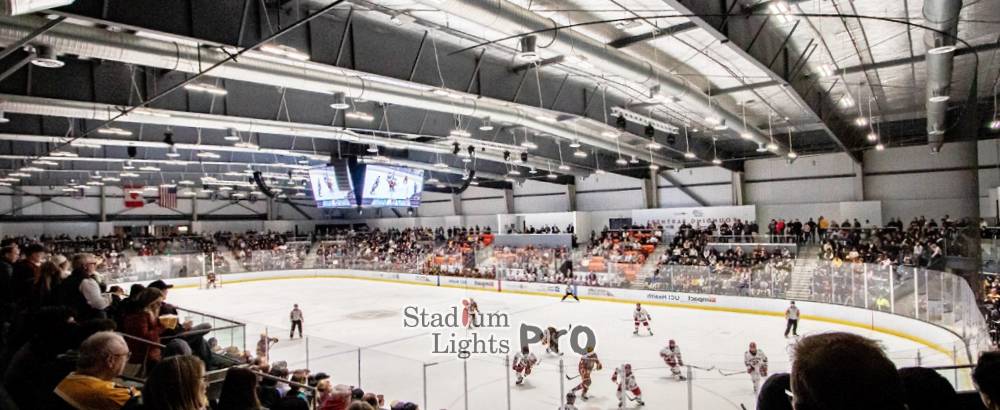
One of the most impactful ways to reduce long-term costs is to choose energy-efficient LED lighting over traditional options like metal halide or fluorescent lights. While LEDs often come with a higher upfront price, they offer tremendous value in return.
LEDs consume far less energy, which results in significantly lower electricity bills. In fact, many rinks have reported energy savings of 50–70% after switching to LED systems. LEDs also have much longer lifespans—typically 50,000 hours or more—compared to the 6,000 to 15,000 hours of traditional bulbs. This translates to fewer replacements and lower maintenance costs.
Furthermore, LEDs emit less heat than older technologies. In an environment like an ice rink, this can contribute to lower HVAC loads, reducing the strain on cooling systems and further improving overall energy efficiency.
When considering LEDs, it’s also worth looking for fixtures with high luminous efficacy (lumens per watt), solid build quality, and reputable certifications such as DLC Premium or UL ratings, which ensure both efficiency and reliability.
Optimize Lighting Layout and Fixture Placement
The number of lights you install—and where you install them—has a direct impact on both cost and performance. An optimized lighting layout ensures that the right amount of light is delivered where it’s needed most, with minimal waste or overlap.
A well-designed system can often reduce the total number of fixtures required, which in turn lowers equipment, installation, and wiring costs. Poor placement, by contrast, often results in dark spots or over-lit areas, forcing you to add unnecessary fixtures or compensate with higher wattages.
Working with professional lighting designers who specialize in ice rinks or sports facilities can yield big savings. These experts use simulation software (like Dialux or AGi32) to model light distribution accurately and ensure compliance with illumination standards—while avoiding overengineering, which leads to inflated costs.
Utilize Dimming Controls and Programmable Schedules
Modern LED systems can be paired with smart lighting controls that allow facility operators to fine-tune light output in real-time or based on pre-set schedules. These systems not only improve usability but also significantly cut energy costs.
For example, lighting can be dimmed during non-peak hours, such as practices, maintenance time, or when only part of the rink is in use. Automated scheduling ensures lights turn off when not needed—preventing unnecessary energy consumption and extending fixture lifespan.
Many advanced systems include occupancy sensors, daylight harvesting, and remote access features, enabling even more granular control. Although adding controls increases the initial investment, they often pay for themselves quickly through energy savings and lower maintenance.
Choose Durable and Weather-Resistant Fixtures
An ice rink presents a harsh operating environment for lighting equipment. Cold temperatures, high humidity, and fluctuating thermal conditions demand durable, weather-resistant lighting fixtures designed specifically for these challenges.
Look for fixtures with high IP (Ingress Protection) ratings, which indicate resistance to water and dust. Corrosion-resistant materials like powder-coated aluminum or stainless steel housings help ensure longevity even in damp, refrigerated spaces.
Choosing high-quality fixtures with solid build construction reduces the likelihood of failures, which means fewer service calls, lower downtime, and reduced labor costs. Opt for products with long-term warranties (five years or more), as these offer peace of mind and protect against unexpected costs due to premature failures.
Balance Initial Costs with Long-Term Longevity
It may be tempting to opt for the cheapest lighting products available, especially when working within a limited budget. However, cutting corners on quality can backfire. Cheaper fixtures often have shorter lifespans, limited warranties, and unreliable performance—all of which can drive up long-term expenses.
Instead, focus on finding products that offer the best value over time. This includes considering not only purchase price, but also installation complexity, maintenance needs, energy efficiency, and replacement frequency.
A moderately more expensive fixture that lasts twice as long and consumes half the energy will save significantly more than a cheaper one that fails frequently or burns more power. Make purchasing decisions based on lifecycle cost analysis, not just sticker price.
Explore Financing and Incentive Options
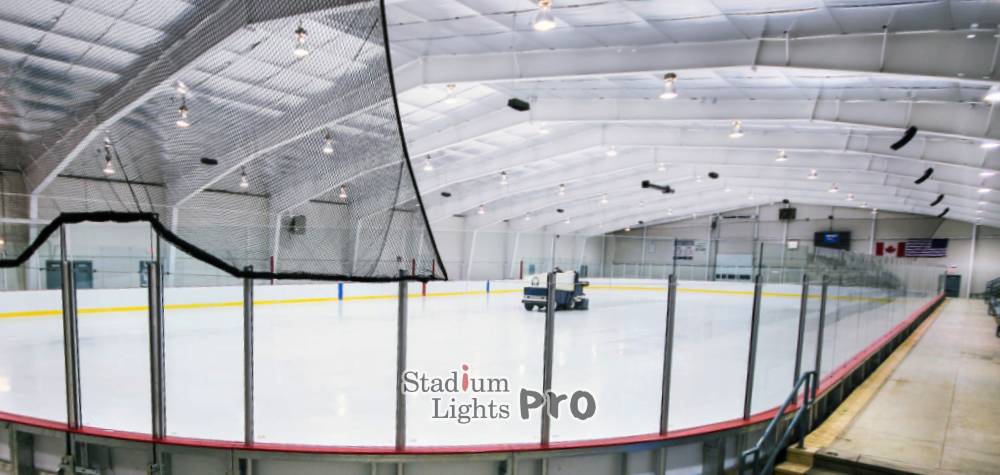
High-quality lighting systems often come with substantial upfront costs. Fortunately, there are a variety of financing options and incentive programs available to ease the burden.
Many lighting manufacturers or energy solution providers offer financing packages, including equipment leasing, deferred payment plans, or performance-based contracts. These allow you to spread the cost over time—sometimes offset entirely by the energy savings generated.
In addition, government grants, utility rebates, and green energy subsidies are often available for facilities upgrading to LED lighting. Energy-efficiency programs in many regions reward investments in sustainable technologies. Some utilities even provide free energy audits or rebates for installations that meet certain criteria.
Before purchasing, contact your local utility company or energy office to inquire about rebates, tax credits, or incentive programs that might apply to your rink’s lighting project. These opportunities can significantly reduce total project costs.
Plan for Maintenance and Operational Efficiency
Preventive maintenance is often overlooked but plays a critical role in keeping operating costs under control. A proactive maintenance plan ensures that lighting systems continue to perform efficiently and safely over their expected lifespan.
Tasks such as regular cleaning of lenses and reflectors, visual inspections for wear or damage, and early replacement of failing drivers or modules can prevent energy inefficiency and avoid costly emergency repairs.
Training rink staff to handle basic troubleshooting and maintenance tasks—such as resetting controls, replacing modules, or adjusting timers—can reduce reliance on external contractors and minimize downtime. Some advanced systems even provide remote diagnostics, alerting you to failures or performance drops before they become expensive problems.
Consider Modular and Scalable Lighting Systems
For facilities that expect to grow or adjust their operations over time, modular lighting systems offer significant flexibility. Instead of committing to a full system replacement all at once, you can install lighting in phases, expanding or upgrading as needed.
This approach helps spread capital costs over several years and allows you to benefit from ongoing advances in lighting technology without rendering older equipment obsolete.
Modular systems also make it easier to adapt to changing use cases—for example, increasing lighting in specific rink zones that experience more traffic, or integrating new control systems as they become available. This future-proofing helps protect your investment and minimize long-term costs.
Evaluate the Total Cost of Ownership (TCO)
It’s essential to move beyond upfront pricing and look at the total cost of ownership (TCO) when evaluating lighting systems. TCO includes all costs associated with the product over its useful life.
- Purchase and installation
- Energy consumption
- Maintenance and repairs
- Replacement parts and labor
- Downtime or operational disruption
A fixture that costs 20% more initially but uses 40% less energy and lasts twice as long will almost always come out ahead in a full TCO comparison.
Reputable suppliers or lighting consultants can provide TCO calculators or detailed ROI reports, helping you make data-driven purchasing decisions that favor long-term savings over short-term gains.
Leverage Group Purchasing and Vendor Negotiations
If your ice rink is part of a larger organization, school district, municipal department, or sports league, you may be able to take advantage of group purchasing agreements or volume discounts.
By bundling your order with others, you can access better unit pricing and improved service terms. Even independently operated rinks can negotiate with multiple vendors, seeking competitive quotes, price matching, or bundled service agreements.
Strong vendor relationships can also yield value beyond pricing. Vendors may offer extended warranties, complimentary installation support, or access to exclusive upgrade programs if you’re a loyal customer or part of a preferred buyer network.
When issuing RFQs (Request for Quotations) or RFPs (Request for Proposals), make sure to outline both technical and financial expectations clearly. This helps ensure that the offers you receive are comparable and aligned with your goals for cost control.
Conclusion
Lighting an ice hockey rink involves many considerations that shape the overall cost. Understanding the differences between rink types, recognizing how technical factors affect pricing, and applying strategies to control expenses can help in planning a lighting system that fits both the needs of users and financial goals. The investment in quality lighting not only supports playability and safety but also enhances the overall experience for everyone involved.