
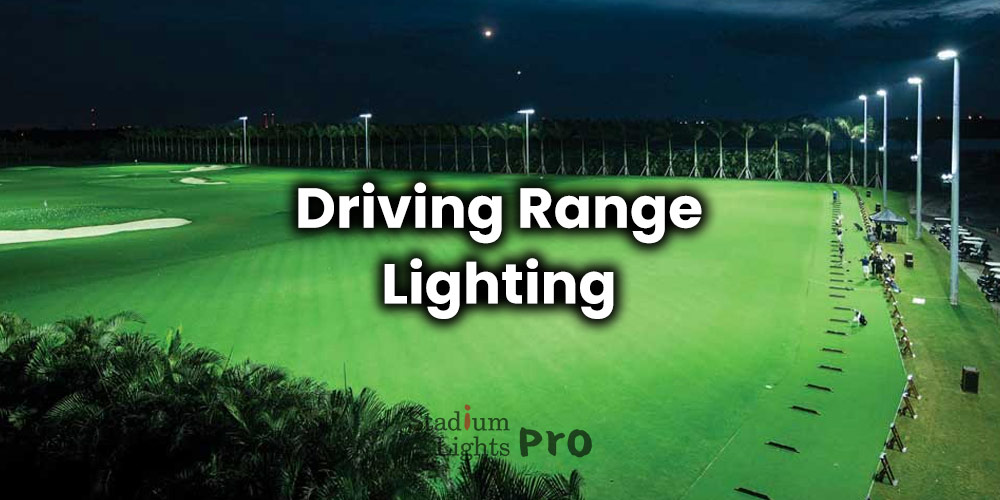
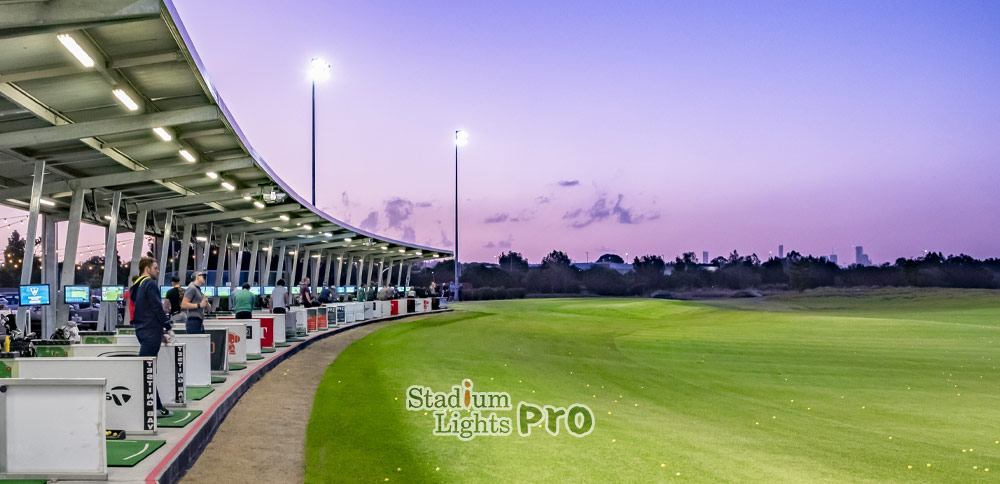
If you’ve ever hit a driving range after sunset, you know how tricky it can get when the lighting isn’t quite right. Good lighting doesn’t just help you see the ball, it can also make the whole experience safer and more enjoyable. Let’s take a closer look at what goes into lighting a driving range and why getting it right can make a big difference.
Why Do We Need Lighting in a Driving Range
Lighting a driving range isn’t just about aesthetics. When the sun goes down, it can be really tough to track the ball mid-flight, and poor visibility can slow down the pace of play. Many golfers prefer hitting balls in the evening because of work schedules, cooler temperatures, or just the peaceful vibe after sunset. Without proper lighting, the experience can feel frustrating or even unsafe.
On top of that, lighting can extend your operational hours, which is a big plus for driving range owners. Evening sessions can attract more golfers and increase revenue. And let’s be honest, nobody wants to risk swinging in the dark and accidentally hitting something—or someone—nearby. So, having well-planned lighting isn’t just a luxury, it’s about making sure people can see clearly, swing confidently, and enjoy the game no matter the time of day.
Driving Range Lighting Design
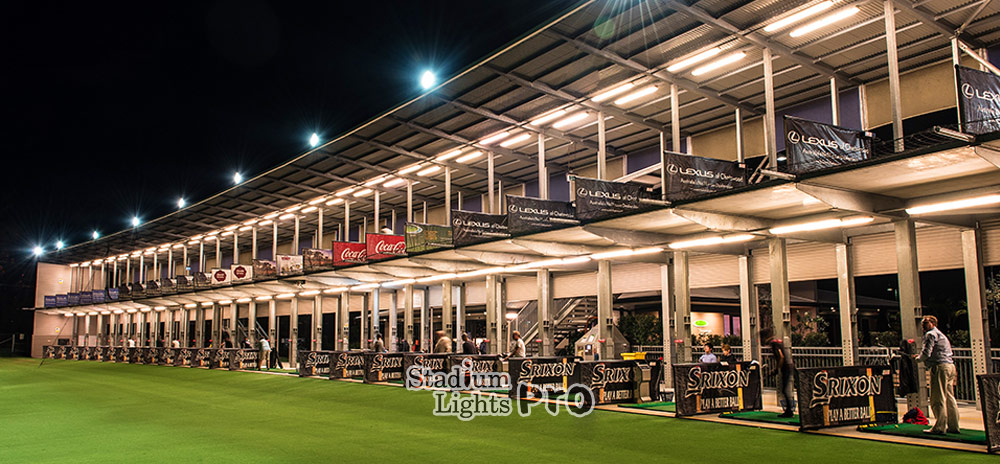
Lighting a driving range is way more than just slapping up a few lamps. The setup directly affects how golfers see the ball, how safe the environment is, and how enjoyable the whole experience feels. If the lighting is off, it can make tracking a ball tricky, create harsh shadows, or even cause glare that messes with swings. Let’s break down the main pieces you need to think about.
| Aspect | Recommended Range / Typical Values |
|---|---|
| Hitting Area Brightness | 300–500 lux (28–46 fc) |
| Landing Area Brightness | 100–200 lux (9–19 fc) |
| Color Temperature | 4000K–5000K |
| Lumens per Pole | 15,000–25,000 lumens |
| Pole Height | 8–12 meters (25–40 feet) |
| LED Wattage | 200–400 W per fixture |
| Pole Spacing | 25–35 meters (80–115 feet) |
| Number of Poles (Mid-sized Range) | 12–20 |
Brightness – Lux and Foot-Candles
When it comes to brightness, the two main ways to measure it are lux and foot-candles (fc). Lux is basically how much light hits a surface per square meter, while foot-candles measure it per square foot. For a driving range, the hitting area—the spot where golfers take their swings—usually needs around 300–500 lux (28–46 fc). That’s bright enough to see the ball clearly without your eyes feeling like they’re staring into the sun.
Out in the landing zone, where golfers are tracking the ball, you don’t need quite as much brightness. Around 100–200 lux (9–19 fc) is usually enough so the ball is still visible but you avoid harsh contrast or glare. The trick is getting the balance right. Too bright and it can be blinding, too dim and the ball gets lost in the shadows. In some advanced setups, designers even use slightly graduated lighting, where brightness gradually decreases as you move farther from the hitting area to make it easier for players to follow the ball naturally.
Choosing the Right Color Temperature
Another piece that matters a lot is color temperature, which basically describes how “warm” or “cool” the light looks. Light that’s too cool, like 6000K, can feel very harsh, almost clinical, and can make it hard to track the ball comfortably at night. Very warm lights, around 2700K, can feel cozy but sometimes don’t give enough clarity to see ball details like dimples or spin lines. Most ranges aim for a neutral white light between 4000K and 5000K, which feels natural to the eye and makes it easier to follow the ball’s flight and landing.
Color temperature also interacts with CRI (Color Rendering Index), which measures how accurately colors appear under the light. A CRI of 70–80 is typically acceptable for most ranges, but higher CRI (up to 90) makes it easier for players to read ball markings and track spin, which some serious practice ranges prefer.
Lumens, Watts, and Energy Efficiency
Lumens tell you how much light a fixture produces, while watts tell you how much energy it consumes. For a mid-sized driving range with 20–30 hitting bays, each pole usually needs around 15,000–25,000 lumens, depending on how high it’s mounted. Typical pole heights range from 8 to 12 meters (25–40 feet), with higher poles helping to spread light more evenly across the hitting and landing areas.
LEDs are now the standard choice for most driving ranges because they provide higher lumens per watt, which means you get more light without paying huge energy bills. For example, a 200-watt LED fixture can often replace a 400-watt metal halide lamp while giving the same brightness. LEDs also last 50,000–100,000 hours, compared to 15,000–20,000 for metal halide, which can save money and hassle in the long run. Some ranges even install dimmable LED systems, so lighting can be adjusted based on time of day or occupancy, which adds flexibility and energy savings.
Types of Fixtures and Mounting Options
 Most driving ranges use pole-mounted floodlights as the primary source because they cover a large area and can be aimed precisely. Standard LED floodlights range from 200–400 watts per fixture, and for a mid-sized range, you might need 12–20 poles spaced roughly 25–35 meters apart. Wall-mounted or ground-mounted fixtures are sometimes used to highlight specific areas, like a putting section, short-game zone, or target markers in the landing area.
Some ranges experiment with asymmetric optics, which direct light in a specific pattern to reduce glare and ensure even coverage. Others use shielded lenses to minimize spill light, so neighbors aren’t annoyed by bright lights late at night. Combining different types of fixtures can help create a layered lighting effect, which improves depth perception and helps golfers track their shots more effectively.
Factors to Consider When Choosing Lighting for a Driving Range
Choosing the right lighting for a driving range isn’t just about picking the brightest bulbs. There are several things that shape both the player experience and the long-term practicality of the setup. From pole height to durability, each decision affects how the range looks, feels, and functions.
Pole Height and Placement
One of the first things to think about is how tall your light poles should be. For most ranges, poles are anywhere from 8 to 12 meters (25–40 feet) high. Taller poles help the light spread more evenly over the hitting and landing zones, which reduces dark spots and ensures golfers can track the ball from start to finish.
Spacing matters too. Poles that are too far apart create uneven lighting, while poles that are too close can produce glare or wasted light. A common rule of thumb is to space poles roughly 25–35 meters (80–115 feet) apart for a medium-sized range. Of course, the exact spacing depends on the lamp wattage, beam angle, and the total size of the range. In some advanced designs, poles are staggered slightly to eliminate overlapping shadows and create more uniform coverage.
Light Angle and Beam Control
The angle of the lights is just as important as the height. Lights aimed too low or too directly toward the golfers’ eyes can create glare, which makes it hard to track the ball and can even be dangerous. Most designers aim for a tilt of 15–25 degrees downward from the horizontal, paired with asymmetric lenses to spread light evenly across the ground.
Beam angle also affects coverage. Narrow beams focus the light on the hitting zone, while wider beams cover the landing area. Some ranges use adjustable beam floodlights that can be fine-tuned for evening practice, tournaments, or special events. This flexibility improves both visibility and energy efficiency because you’re not blasting unnecessary light into empty areas.
Weather Resistance and Outdoor Durability
Driving ranges are fully exposed to the elements, so weather resistance is a must. Rain, wind, dust, and snow can damage lights over time if the fixtures aren’t built to handle it. Most outdoor LED fixtures have IP ratings of 65 or higher, meaning they’re dust-tight and can withstand water jets from any direction. Metal halide fixtures are generally less durable and may require extra enclosures or protective housings to survive harsh weather conditions.
Temperature tolerance is another consideration. In cold climates, some LEDs can dim or flicker if they aren’t rated for low temperatures. In hot climates, fixtures need adequate heat sinks to prevent overheating, which can shorten lifespan or affect brightness.
Maintenance and Longevity
Maintenance is something that often gets overlooked until it becomes a problem. LED fixtures typically last 50,000–100,000 hours, which can be more than 10 years for a moderately busy driving range. Metal halide lamps, by comparison, often last 15,000–20,000 hours, meaning replacements are frequent and more expensive over time.
Ease of access is worth thinking about too. Poles with tilt mechanisms or fixtures that can be lowered make replacing bulbs and cleaning lenses safer and faster. Some ranges even schedule preventive maintenance every 6–12 months, which keeps the lights bright and reduces unexpected downtime.
Energy Efficiency and Operating Costs
Energy efficiency can make a huge difference in running costs. LEDs typically offer 80–150 lumens per watt, compared to 40–60 lumens per watt for metal halide lamps. That means for the same brightness, LEDs consume about half the electricity, which adds up when the range is open for evening sessions multiple nights a week. Some owners also install smart lighting systems with dimmers, motion sensors, or timers, which can cut energy use by an extra 20–30% without affecting visibility.
Uniformity and Player Experience
Finally, the uniformity of the lighting affects how enjoyable and comfortable it feels to play. Uniformity is usually measured as the ratio of average lux to minimum lux across the hitting and landing areas. For a driving range, a uniformity ratio between 0.5–0.7 works well, meaning there are no dark patches or overly bright spots. Uneven lighting can make it harder to track the ball, cause eye strain, or even make golfers feel unsafe swinging in low light.
General Cost to Light a Driving Range
How Much Does It Cost?
Lighting a driving range comes with a pretty wide range of costs, and it really depends on the size of the range, the type of fixtures you choose, and how you install everything. For a smaller or medium-sized range with around 20–30 hitting bays, the total investment typically falls somewhere between $20,000 and $60,000. That usually covers LED floodlights, poles, wiring, and basic installation.
If you’re dealing with a bigger range—think 50 or more bays—or you want high-end LED systems with adjustable beam angles and smart dimming controls, the price can easily climb past $100,000. Smart lighting systems that adjust brightness based on occupancy or time of day are a nice touch, but they do add to the upfront cost. The good news is that while LEDs are pricier at the start, they save money over time. Energy bills can drop by 40–60% compared to metal halide setups, and reduced maintenance means fewer replacements and less downtime.
| Item | Typical Range / Values |
|---|---|
| Small to Mid-Sized Range (20–30 bays) | $20,000–$60,000 |
| Large Range (50+ bays) with High-End LEDs | $100,000+ |
| Energy Savings with LEDs vs Metal Halide | 40–60% reduction in energy bills |
| Pole Installation Cost (per 10m pole) | $1,500–$2,500 |
| Number of Poles (mid-sized range) | 10–20 (depending on layout) |
Installation and Pole Costs
Installation isn’t just about plugging in the lights either. Pole placement, wiring, and aiming all factor into the final cost. For example, if you’re installing 10 poles at 10 meters tall each, you might spend $1,500–$2,500 per pole for both the fixture and installation, depending on local labor rates and the type of luminaire. Adding extra poles for uniformity or decorative lighting in the landing area can raise the total, but it makes a noticeable difference in player experience.
Seeing Through the Player’s Eyes
It helps to look at it from the player’s point of view. Are they able to track the ball easily from start to finish? Does the light feel natural, or is it harsh and glaring? Are there dark spots or uneven areas that make swinging uncomfortable? Even simple things like reducing glare or creating more uniform coverage can make a big difference—and sometimes that justifies spending a little more upfront.
Long-Term Value
In the end, the goal isn’t just to light up a field. It’s to create a space where golfers can swing confidently, track their shots, and enjoy themselves no matter the hour. Good lighting makes evening sessions safer, more comfortable, and more attractive, which often means more repeat players and a better reputation for the range. When you factor in energy savings, lower maintenance, and improved player experience, investing in quality lighting is not just practical—it’s a smart move for both golfers and range owners.
Conclusion
Lighting a driving range isn’t just about putting up a few lamps—it’s about creating a space where golfers can see clearly, swing comfortably, and enjoy themselves at any time of day. With the right combination of brightness, pole placement, fixtures, and thoughtful investment, evening practice becomes safe, visually clear, and even more enjoyable. Good lighting not only improves the player experience but can also save energy, reduce maintenance, and make the range more appealing overall.