
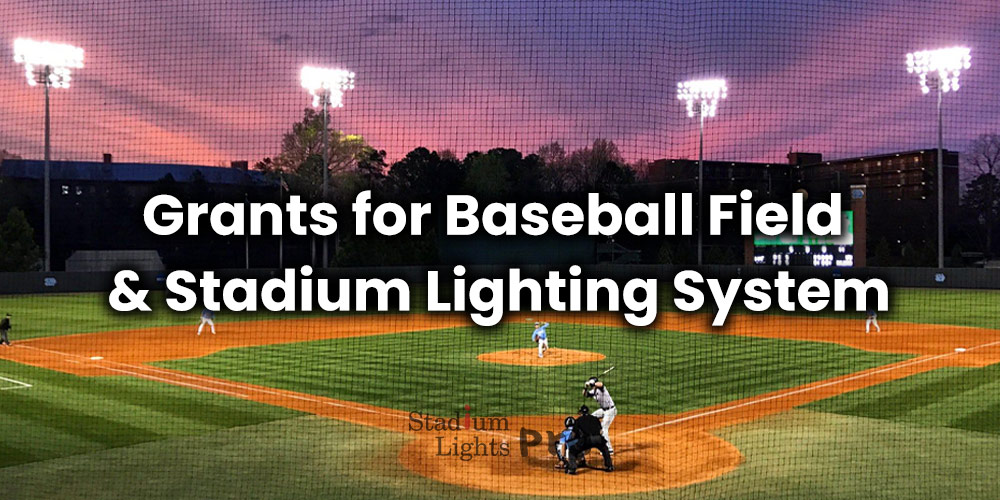
Baseball field lighting grants are funding opportunities designed to help communities pay for new lights or upgrade existing lighting systems at baseball fields. These grants make it easier for teams to play safely at night, improve visibility for players and umpires, and create a better overall experience for fans in the stands.
Funding can come from a variety of sources, including federal, state, and local government programs, national and regional sports organizations, nonprofit foundations, and even private companies that support youth and community sports. In many cases, these grants are competitive, meaning applicants need to meet specific eligibility requirements and clearly explain how the money will be used. This usually involves outlining the condition of the current field, the benefits of improved lighting, and how the project will serve players and the wider community.
Requirements and award amounts vary depending on the organization offering the grant. Some programs focus on youth leagues or underserved areas, while others support larger community facilities or multi-use sports complexes. With the right preparation and a well-thought-out plan, baseball field lighting grants can be a practical way to fund safer, more accessible, and higher-quality fields for years to come.
Eligibility for baseball field lighting grants
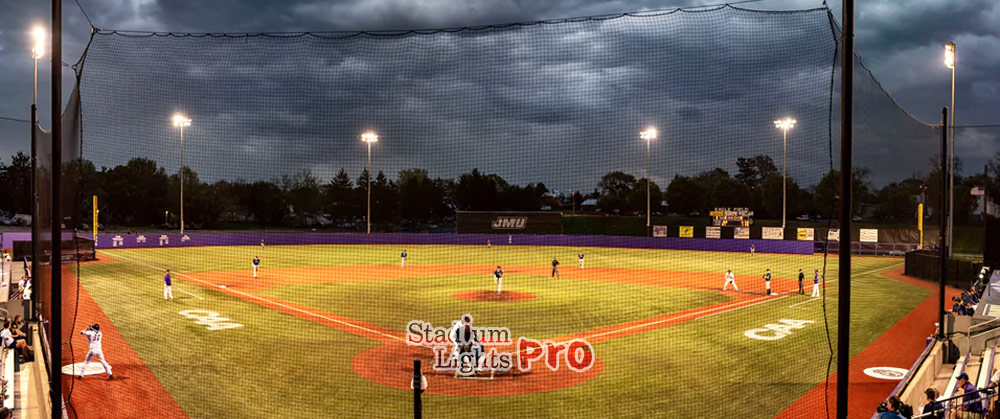
Requirements for organizations and facilities to qualify for grant funding
The eligibility requirements for baseball field lighting grants may vary depending on the source of the funding. Some general requirements that may apply to many types of grants include:
The organization or facility –
- Must be a public or non-profit entity, such as a school, park district, or youth sports league.
- Must have a need for improved lighting at its baseball field(s). This may be demonstrated through assessments of current lighting conditions, safety concerns, or other factors.
- Must have a plan in place for how the grant funding will be used to improve the lighting at the baseball field(s). This may include details on the type of lighting equipment to be installed, the cost of the project, and the timeline for completion.
- May be required to match the grant funding with its own funds or in-kind contributions.
Some grant programs may have additional requirements, such as geographic restrictions or requirements related to the size or type of organization. We may review the eligibility criteria for each grant program to determine if your organization or facility qualifies.
Examples of Organizations That May Be Eligible for Baseball Field Lighting Grants
Baseball field lighting grants are typically created to support organizations that serve players, students, and the wider community. While eligibility depends on the specific grant program, many funders share similar goals: improving safety, increasing access to recreational facilities, and making better use of existing baseball fields. Because of this, a wide variety of organizations may qualify for funding, especially those that can show strong community use and long-term impact.
Below are some common types of organizations that are often eligible for baseball field lighting grants, along with reasons they may be considered good candidates.
Public Schools and Universities
Public elementary schools, middle schools, high schools, and colleges often manage baseball fields for school teams and athletic programs. These schools may qualify for lighting grants when their fields are used for competitive sports, physical education classes, extracurricular activities, or community events. Adding or upgrading lighting can make a big difference by allowing practices and games to take place in the evening, which is especially helpful when daylight hours are limited.
Schools that allow community access to their fields outside of school hours may be even more attractive to grant providers. When a baseball field serves both students and the surrounding neighborhood, lighting improvements can benefit a larger group of users while also improving safety for athletes, coaches, officials, and spectators.
Park Districts and Recreation Departments
Park districts, city governments, and local recreation departments are responsible for maintaining public parks and sports facilities, including baseball and softball fields. These fields are often used by multiple groups, such as youth leagues, adult recreational teams, school programs, and local tournaments. Because of this shared use, lighting upgrades can have a broad and immediate impact.
Grants can help these organizations replace outdated lighting systems, improve energy efficiency, and extend field availability into the evening hours. Better lighting can also enhance public safety and encourage more people to participate in recreational programs, making parks more active and welcoming spaces for the community.
Youth Sports Leagues and Organizations
Non-profit youth sports leagues and organizations are common recipients of baseball field lighting grants. This includes Little League programs, travel baseball teams, club organizations, and local baseball associations that operate or maintain their own fields. For these groups, lighting improvements can make scheduling much easier by allowing games and practices after school and work hours.
Many grant providers place a strong emphasis on youth development, making these organizations particularly appealing applicants. Well-lit fields support safer play, higher participation, and more consistent programming, all of which align with common grant funding goals related to health, education, and positive youth engagement.
Professional or Semi-Professional Baseball Teams
Professional, semi-professional, and independent league baseball teams may also be eligible for certain types of grants, especially those focused on community development or shared-use facilities. If a team’s field is used for more than just professional games, such as hosting youth clinics, community events, or local tournaments, lighting upgrades can benefit a much wider audience.
In some cases, grants may help teams upgrade lighting to meet league requirements, improve the overall fan experience, or reduce operating costs through energy-efficient systems. Projects that demonstrate clear community value tend to be more competitive in this category.
Community Centers and Non-Profit Organizations
Community centers and non-profit organizations that own or operate baseball fields may also qualify for lighting grants. These organizations often serve people of all ages and backgrounds, offering recreational programs for children, teens, adults, and seniors. Improved lighting can extend operating hours, support inclusive programming, and make facilities more accessible to working families.
Grant providers often look favorably on non-profits that show strong community involvement, volunteer support, and a clear mission to serve underserved or disadvantaged populations. Baseball field lighting projects that improve access and safety while supporting long-term community use can be a strong fit for this type of funding.
Types of baseball field lighting grants
Federal and State Government Grants
Federal and state government grants are one of the most reliable funding options for organizations looking to install or upgrade lighting at baseball fields. These grants are funded by public agencies and are intended to support projects that benefit the community, improve public facilities, and encourage healthy, active lifestyles. Baseball field lighting projects often qualify because they improve safety, increase access to recreational spaces, and support youth and community sports programs.
Government grants are generally designed to serve a wide audience, which makes public schools, local governments, non-profit organizations, and community sports programs especially strong candidates. While the application process can take time and requires careful planning, successful applicants can receive significant funding that helps cover a large portion of lighting installation or upgrade costs. For many organizations, these grants make projects possible that would otherwise be difficult to fund.
Federal Grants
The federal government offers a variety of grant programs that may apply to sports and recreation facilities, including baseball field lighting. These programs are typically managed by agencies such as the Department of Education, the Department of Health and Human Services, and the Department of Agriculture. In some cases, funding may also be available through broader programs focused on community development, rural development, public health, or youth services.
Federal grants often support projects that encourage physical activity, expand after-school and youth programs, improve public safety, or upgrade facilities that are shared by schools and the surrounding community. Installing or improving field lighting can help extend usable hours, allow for evening practices and games, and create safer conditions for players, coaches, and spectators.
To find federal grant opportunities, organizations can use Grants.gov, which is the main online database for federal funding programs. State grant offices and federal agency contacts can also be helpful resources, especially when it comes to understanding eligibility requirements and application timelines. It’s important to read all guidelines carefully, as federal grants usually come with detailed reporting, compliance, and documentation requirements.
State Grants
Alongside federal funding, many states offer their own grant programs to support local projects and facility improvements. These grants are commonly managed by state agencies such as departments of education, parks and recreation, natural resources, public health, or economic and community development. State programs are often designed around local priorities, such as increasing youth sports participation, improving public spaces, or strengthening community infrastructure.
Compared to federal grants, state grants may be more accessible for smaller organizations or municipalities. Baseball field lighting projects can qualify when they improve access to recreational facilities, support school athletic programs, or help attract local events like tournaments and league play. Some states also place a strong emphasis on energy efficiency, making LED lighting upgrades especially appealing because they reduce long-term costs and environmental impact.
Organizations can usually find state-level grant opportunities through official state grant portals or funding databases. Reaching out directly to the state grant office can also be useful, as staff may offer guidance, application tips, or insight into upcoming funding opportunities.
Grants from Sports Organizations and Foundations
Sports organizations and foundations are another important source of funding for baseball field lighting projects. These groups often focus on growing the game, improving player safety, and strengthening community sports programs. Grants may be offered at the national, regional, or local level, and each organization has its own priorities and eligibility requirements.
Many sports organizations and foundations look for projects that clearly benefit athletes and the surrounding community. Lighting upgrades are often attractive because they increase field availability, make scheduling easier, and improve safety. Projects that support youth development, community engagement, or long-term facility improvement tend to stand out during the review process.
Major League Baseball
Major League Baseball (MLB) supports baseball and softball development through initiatives such as the Baseball Tomorrow Fund. This program provides grants to organizations working to improve and expand access to the sport. Eligible projects can include field renovations, lighting upgrades, and other facility improvements that directly benefit players and local communities.
MLB grants often prioritize non-profit organizations, youth leagues, and publicly accessible facilities. Applicants that can show strong community use, long-term planning, and a clear need for improved lighting are typically more competitive.
USA Baseball
USA Baseball, the national governing body for the sport in the United States, offers grant programs focused on youth and amateur baseball. These grants are generally aimed at organizations that provide structured baseball programs, especially for younger players. Lighting improvements may qualify when they enhance safety, increase access to fields, or allow programs to grow.
Organizations that are affiliated with USA Baseball, or whose missions closely align with its goals, may have an advantage when applying for this type of funding.
Local Sports Organizations
Many local and regional sports organizations, leagues, and athletic clubs also offer grants to support projects in their communities. While these grants may be smaller than national programs, they can still make a meaningful difference, especially when combined with other funding sources. Local sports organizations often have a direct interest in improving the facilities their teams use, including baseball fields.
In some cases, these groups may partner with schools, municipalities, or non-profits to help fund lighting projects, creating shared benefits for everyone involved.
Sports-Focused Foundations
There are also foundations dedicated specifically to sports, physical activity, and youth development. These foundations may offer grants for facility upgrades, including baseball field lighting, as part of their broader mission. Many prioritize projects that promote inclusion, increase participation, or serve underserved communities.
Lighting upgrades that allow for longer hours of use or support multiple age groups often align well with these foundation goals.
To find grants from sports organizations and foundations, it’s a good idea to regularly check their websites, sign up for newsletters, and reach out directly to grant administrators with questions. Attending sports industry events or networking with local athletic groups can also help uncover funding opportunities that aren’t widely advertised.
Corporate and Private Grants
Corporate and private grants are another valuable option for funding baseball field lighting projects. These grants come from businesses, corporations, and individual donors who want to support causes that match their values or personal interests. While competition can be strong, projects that clearly show community impact often attract attention.
Corporate Grants
Many companies offer grants as part of their corporate social responsibility or community outreach efforts. These programs may focus on youth development, education, health and wellness, or community improvement. For example, companies involved in sports equipment, lighting technology, construction, or energy may be especially interested in supporting baseball field lighting projects.
Some corporate grants also emphasize sustainability, making energy-efficient lighting upgrades particularly appealing. Showing how a project reduces operating costs and environmental impact can strengthen an application.
Organizations seeking corporate funding should research companies with ties to sports or community development and look for ways to align the project with the company’s mission. Building relationships with local business leaders can also improve the chances of success.
Private Grants
Private grants are often provided by individuals or family foundations with a personal connection to baseball, youth sports, or community recreation. These donors may be interested in projects that create a visible and lasting impact, such as improved lighting at a heavily used baseball field.
The application process for private grants is often less formal than government or corporate programs. Personal outreach, strong community support, and a clear explanation of how the project will benefit local players and families can go a long way.
To find corporate and private grant opportunities, organizations can use online grant databases, connect with local foundations, and engage with community leaders. Clearly explaining the need for improved lighting, along with the long-term benefits, can significantly strengthen funding requests.
How to apply for baseball field lighting grants
Steps for Finding and Applying for Grant Opportunities
Securing grant funding for baseball field lighting can take time, but a structured approach makes the process far more manageable. Whether you’re upgrading outdated lights or installing a new system, following these steps can help improve your chances of success.
1. Research grant sources thoroughly
The first step is identifying where funding might come from. Baseball field lighting grants are often offered by federal, state, and local government agencies, as well as sports organizations, nonprofit foundations, and corporate grant programs that support youth sports, community development, or public safety.
Take time to explore multiple sources rather than relying on just one. Government recreation or infrastructure programs, statewide sports associations, and community-focused foundations are often good places to start. When researching grants, pay close attention to each program’s mission and past award recipients. Grants are more likely to be awarded when your project clearly fits the funder’s goals.
2. Review eligibility criteria carefully
Once you’ve identified potential grants, read the eligibility requirements in detail. This step is critical and often overlooked. Some grants are limited to nonprofit organizations, public schools, municipalities, or youth leagues, while others may focus on underserved communities or facilities with high usage.
Make sure your organization or facility qualifies before moving forward. Also note any matching fund requirements, geographic limitations, or restrictions on how the money can be used. Understanding these details early can save time and prevent applying for grants that aren’t a good fit.
3. Gather all required supporting materials
Most grant applications require supporting documentation in addition to written responses. This may include financial statements, project budgets, lighting plans or estimates, timelines, letters of support, and proof of nonprofit or public status.
Start gathering these materials early, as some documents can take time to prepare or obtain. Be ready to explain the current condition of the field, why lighting improvements are needed, and how the project will be managed. Clear, organized documentation helps establish credibility and shows grant reviewers that your organization is prepared and responsible.
4. Develop a clear and compelling project narrative
A strong grant application tells a clear story. Explain what you plan to do, why it matters, and who will benefit. Avoid vague language and focus on real-world impact. For example, improved lighting can increase safety, extend playing hours, support youth programs, reduce scheduling conflicts, and allow the facility to serve more teams and community events.
Follow the grantmaker’s instructions closely and address every required section. Use straightforward language and stay focused on how the funding will be used. Reviewers should be able to quickly understand your project, its value, and its long-term benefits.
5. Submit the application correctly and on time
Once everything is complete, double-check the submission requirements. Some grants require online submissions, while others may ask for emailed or mailed applications. Missing a deadline or submitting incomplete materials can result in automatic disqualification.
If you have questions during the process, many grant providers encourage applicants to reach out for clarification. Taking the time to ask questions shows professionalism and can help you avoid simple mistakes.
6. Be patient and prepare for next steps
After submitting your application, the review process can take anywhere from a few weeks to several months. During this time, keep records of what you submitted and note any follow-up deadlines.
If your application is approved, the grantmaker will provide instructions on accepting the award, accessing the funds, and meeting reporting requirements. If your application is not successful, don’t be discouraged. Many organizations reapply successfully after refining their proposal or targeting a better-matched grant opportunity.
Tips for Writing a Successful Grant Application
Follow the grantmaker’s guidelines exactly
Grant guidelines exist for a reason, and failing to follow them can significantly reduce your chances. Pay attention to word limits, formatting rules, required attachments, and submission instructions. A well-organized application that follows directions shows attention to detail and respect for the funder’s process.
Tailor each application to the specific grant
Avoid using a one-size-fits-all approach. Each grant program has its own priorities, whether that’s youth development, community access, safety, or facility improvement. Adjust your language and focus to clearly show how your lighting project supports the grantmaker’s mission.
Use data and real-world examples
When possible, include data to support your request. This might include the number of teams using the field, how many games or practices are affected by poor lighting, or how improved lighting will increase field availability. Concrete numbers help reviewers understand the scope of the project and the return on their investment.
Keep your writing clear and easy to follow
Grant reviewers often read many applications in a short amount of time. Use plain language, short paragraphs, and clear headings. Avoid technical jargon unless it’s necessary, and explain any specialized terms. The goal is clarity, not complexity.
Proofread and review before submitting
Before submitting, review your application carefully or ask someone else to read it. Look for spelling or grammar errors, unclear sections, or missing information. A polished, professional application reflects positively on your organization and builds trust with the grant reviewer.
Common Mistakes Organizations Make When Applying for Baseball Field Lighting Grants
Applying for grant funding can be a time-consuming process, and even strong projects can be overlooked if the application misses key details. Many organizations make similar mistakes when applying for baseball field lighting grants, often without realizing it. Understanding these common pitfalls can help you avoid them and submit a more competitive application.
Not following the grant guidelines
One of the most common and avoidable mistakes is failing to follow the grantmaker’s instructions exactly. Every grant program has its own set of rules, including formatting requirements, word limits, required attachments, and submission methods. Skipping over these details or assuming they are flexible can hurt your chances immediately.
Grant reviewers often screen applications quickly, and those that don’t meet basic requirements may be eliminated before the project itself is even considered. Take the time to read the guidelines carefully, double-check your formatting, and confirm that every required section is completed. Following instructions shows professionalism and signals that your organization can be trusted to manage funding responsibly.
Submitting a generic application
Using the same application for multiple grant programs is another common mistake. While it may save time, a generic proposal rarely stands out. Grantmakers want to see that you understand their mission and that your project directly supports their goals.
Instead of copying and pasting the same content, tailor each application to the specific grant program. Adjust your language to reflect what the funder values, whether that’s youth development, community access, safety improvements, or long-term sustainability. Clearly explain why your baseball field lighting project is a good fit for that particular grant.
Failing to clearly demonstrate the need
Even a well-written application can fall short if it doesn’t clearly explain why the project is necessary. Grantmakers are more likely to fund projects that solve a real problem or address a clear need within a community.
Avoid assuming the need is obvious. Instead, explain the current situation in practical terms. For example, describe outdated or insufficient lighting, safety concerns, limited playing hours, or how poor lighting affects youth programs and community use. When possible, include real examples or basic data to support your case. Showing a clear need helps reviewers understand the impact their funding can make.
Providing an unclear or unrealistic budget and timeline
A vague or incomplete budget is a red flag for many grant reviewers. Grantmakers want to know exactly how their money will be used and whether the project is realistic. Failing to include a clear budget or timeline can make it seem like the project isn’t fully planned.
Your application should include a detailed budget that outlines major costs, such as equipment, installation, and any matching funds. A realistic project timeline also helps demonstrate that your organization is prepared to manage the work efficiently. Clear planning builds confidence and shows that the project can be completed as proposed.
Overlooking proofreading and organization
Spelling errors, grammar issues, and disorganized sections may seem minor, but they can affect how your application is perceived. A sloppy application can unintentionally signal a lack of attention to detail or professionalism.
Before submitting, review your application carefully. Better yet, have someone else read it with fresh eyes. Make sure the writing is clear, the sections flow logically, and all questions are answered completely. A polished application reflects well on your organization and helps build trust with the grantmaker.
Maintaining and Upgrading Baseball Field Lighting
Installing baseball field lighting is only the first step. To keep a field safe, functional, and enjoyable over time, regular maintenance and occasional upgrades are just as important. Well-maintained lighting systems support better play, reduce long-term costs, and create a better experience for everyone who uses the field.
Why regular maintenance and upgrades matter
Baseball field lighting systems are exposed to weather, daily wear, and heavy use. Over time, bulbs dim, fixtures shift, wiring ages, and controls become outdated. Without routine maintenance, these issues can quietly build up and lead to poor visibility, higher energy bills, or even system failures during games or practices.
Regular inspections and upgrades help catch small problems before they turn into expensive repairs. They also extend the lifespan of the equipment, allowing organizations to get more value out of their initial investment while keeping the field operating reliably year after year.
Safety considerations
Safety is one of the most important reasons to maintain and upgrade field lighting. Poor lighting can create uneven illumination, dark spots, glare, or harsh shadows that make it harder for players to track the ball and move confidently on the field. For fans and staff, inadequate lighting can also increase the risk of trips or falls around seating areas and walkways.
Routine maintenance helps ensure that fixtures are properly aimed, bulbs are functioning as intended, and lighting levels meet recommended standards. Upgrading older systems, especially to modern LED technology, can significantly improve uniformity and reduce glare, creating a safer environment for everyone involved.
Supporting on-field performance
Consistent, high-quality lighting directly affects how the game is played. Players rely on good visibility to judge fly balls, track pitches, and react quickly. Coaches need clear sightlines during practices and games, and umpires depend on proper lighting to make accurate calls.
Lighting systems that are regularly serviced and updated provide more consistent illumination across the entire field. This consistency helps maintain fair play, reduces distractions, and allows teams to perform at their best, especially during evening games or extended practice sessions.
Improving energy efficiency
Older or poorly maintained lighting systems often use more energy than necessary. Burned-out bulbs, outdated fixtures, or inefficient controls can drive up electricity costs without delivering better performance.
Upgrading to newer, energy-efficient systems, such as LED lighting, can significantly reduce energy usage while improving light quality. Even basic maintenance, like cleaning fixtures and replacing aging components, can improve efficiency. Over time, these improvements can lead to noticeable cost savings and a smaller environmental footprint.
Enhancing the overall user experience
Good lighting doesn’t just benefit players. Fans enjoy games more when visibility is clear and comfortable, without harsh glare or dim areas. Well-lit fields feel more welcoming, professional, and organized, which can increase attendance and community engagement.
For organizations that host tournaments or rent field time, upgraded lighting can also make the facility more attractive to teams and event organizers. In many cases, better lighting directly contributes to higher field usage and stronger community support.
Funding Options for Ongoing Lighting Expenses
Maintaining and upgrading baseball field lighting requires ongoing investment, but there are several funding options available to help cover these costs. Many organizations use a combination of approaches to spread expenses over time.
Grants
Grants remain one of the most effective ways to fund lighting improvements and upgrades. Government agencies, sports organizations, nonprofit foundations, and private entities often offer grants focused on safety, energy efficiency, youth sports, or community infrastructure.
Some grants specifically target lighting upgrades, while others allow funds to be used for broader facility improvements. Regularly researching grant opportunities and maintaining updated documentation can make it easier to apply when new programs become available.
Donations and fundraising
Community support can play a big role in covering lighting expenses. Donations from individuals, local businesses, and community groups can help fund both major upgrades and routine maintenance. Fundraising campaigns, sponsorship plaques, or “light the field” initiatives often resonate with families and fans who regularly use the facility.
Clear communication about how funds will be used helps build trust and encourages long-term support.
User fees
For fields used by schools, leagues, or private organizations, user fees can help offset lighting costs. These fees may be built into rental rates, league registrations, or tournament entry costs. When managed transparently, user fees provide a steady source of funding for maintenance and upgrades without relying entirely on external support.
Sponsorships
Sponsorships from local businesses or regional companies can provide meaningful financial support. In exchange, sponsors may receive recognition through signage, announcements, or digital promotions. Sponsorship agreements can be structured to support specific upgrades or ongoing operating costs, making them a flexible funding option.
Budget allocation
Organizations that own or manage their own facilities may choose to allocate funds directly from their operating budgets. Planning ahead by setting aside a portion of the annual budget for lighting maintenance helps prevent unexpected expenses and ensures that upgrades can be made when needed.
Conclusion
Improving the lighting at a baseball field can benefit players, coaches, and fans by providing better visibility and a more enjoyable experience. There are a variety of funding options available to organizations and facilities seeking to make these improvements, including grants, donations, user fees, sponsorships, and budget allocation.
If you are interested in improving the lighting at your baseball field and are considering applying for grants to fund these improvements, we encourage you to contact us for a free consultation. Our team has extensive experience in helping organizations and facilities find and apply for grants, and we would be happy to discuss your options and provide guidance on the grant application process. Don’t hesitate to reach out to us if you have any questions or need assistance with your grant application. We are here to help you find the resources you need to make the necessary improvements to your baseball field lighting.