
The choice of color temperature in lighting systems can influence not only the visibility and aesthetics of the arena but also the behavior and comfort of the horses themselves. Horses are sensitive to their surroundings, and subtle changes in lighting can affect their mood, stress levels, and overall performance. Understanding how various color temperatures interact with equine physiology and psychology helps arena designers and managers create spaces that promote well-being and optimal activity.
Understanding Color Temperature and Its Range
Color temperature is a measure expressed in kelvins (K) that defines the appearance of light emitted by a source, specifically whether it appears warm or cool to the human eye. This concept originates from the idea of heating a theoretical blackbody radiator and observing the color it emits at various temperatures. When applied to lighting, lower color temperatures correspond to warmer hues, while higher temperatures relate to cooler tones.
Light sources with lower color temperatures, typically between 2700K and 3500K, produce a warm, amber-like glow. This range mimics the gentle light of incandescent bulbs and natural conditions during sunrise and sunset. Such lighting creates an inviting and cozy atmosphere, often perceived as soft and soothing. Warm light has a tendency to reduce harsh shadows and glare, which can contribute to a calming environment within a space.
On the other end of the spectrum, color temperatures between 5000K and 6500K—and sometimes even higher—emit light that appears cool and bluish-white. This kind of illumination closely resembles natural midday sunlight or the diffuse light on a cloudy day. Cool light enhances contrast and clarity, making objects and textures appear sharper and more defined. It tends to produce a more alert and energized atmosphere compared to the comforting warmth of lower color temperatures.
The range of color temperatures is broad and each specific shade within this spectrum shapes the mood and visual experience in a unique way. In the context of horse arenas, the choice of color temperature goes beyond mere aesthetic preference. It influences how horses perceive their environment and how their bodies respond physiologically. Since horses have different visual sensitivities and behavioral reactions to light compared to humans, the selected color temperature directly affects their comfort, stress levels, and ability to perform.
For example, warm lighting can simulate the softer, natural light that horses might associate with the start or end of the day, potentially encouraging calmness and relaxation. Conversely, cooler lighting can replicate the intensity and brightness of midday, which may improve alertness and focus during training or competitions. Selecting an appropriate color temperature involves balancing these visual and behavioral effects to create an arena environment that supports the well-being and performance of the horses.
How Horses Perceive Light and Color
Equine Vision Characteristics
Horses have evolved with visual systems uniquely adapted to their status as prey animals living in varied environments. Their eyes contain a notably high concentration of rod cells, which are highly sensitive to light and motion, enabling horses to detect movement and navigate in low-light conditions such as dawn, dusk, and even night. However, the trade-off for this increased sensitivity to light intensity is a reduced ability to discern fine details and vivid colors compared to humans.
In terms of color perception, horses are considered dichromatic. Unlike humans, who have three types of cone cells allowing for trichromatic color vision, horses have only two types, which limits their capacity to perceive the full color spectrum. Research indicates that horses predominantly see the world in shades of blue and green and have difficulty distinguishing reds and oranges. These colors often appear as muted, grayish, or brownish tones to them.
This distinct color perception influences how horses respond to different lighting environments. The color temperature of artificial lighting can alter how bright or clear objects appear to horses rather than changing the color hues themselves. For instance, cooler lighting in the range of 5000K to 6500K, which closely mimics natural daylight, may enhance the visibility of shapes and contrasts, helping horses better detect obstacles and movement. Warm lighting, by contrast, tends to soften visual contrasts and reduce glare, providing a gentler visual field that might feel less stressful.
Considering these visual characteristics helps to explain why horses may react differently under varying lighting conditions. The effects of light on their perception extend beyond the mere illumination of a space to influencing their overall sense of safety and orientation within that space.
Influence of Light on Equine Behavior
Light conditions directly influence many behavioral aspects in horses, ranging from their emotional state to their physical activity levels. Horses are instinctively alert to sudden changes in their environment, and abrupt or harsh lighting can trigger startle responses, anxiety, or avoidance behaviors. For example, a horse might hesitate to enter a dimly lit area with deep shadows or become restless under intense, glaring light.
Stable and arena lighting that simulates natural daylight patterns supports the synchronization of horses’ internal biological clocks, known as circadian rhythms. These rhythms govern daily physiological cycles including sleep, feeding, hormone secretion, and stress responses. Lighting that aligns with these natural patterns can encourage more regular behaviors, reduce anxiety, and promote physical health.
Conversely, lighting that is inconsistent, overly bright, or drastically different from natural daylight can disrupt these rhythms. Horses exposed to such lighting may show signs of increased stress, irritability, or decreased performance during training. A gradual adjustment in lighting intensity and color temperature can ease transitions between different times of day or activities, reducing negative behavioral reactions.
Moreover, well-designed lighting enhances safety by minimizing confusing shadows and reducing glare, both of which can cause horses to misjudge footing or perceive false obstacles. Attention to these factors contributes to an arena environment that is comfortable and secure, fostering greater confidence in horses during their movements and exercises.
The Effects of Warm Color Temperatures on Horses
Creating a Calm and Relaxing Environment
Warm lighting, typically ranging from 2700K to 3500K, emits a soft, amber-like glow reminiscent of early morning or late afternoon sunlight. In horse arenas, such lighting has the potential to create an atmosphere of calm and tranquility. This warm illumination tends to reduce sharp contrasts and minimize glare, which can otherwise cause visual discomfort or agitation in horses.
Many trainers and riders observe that horses exposed to warm lighting during training or leisure sessions appear more relaxed, cooperative, and less reactive. The softness of warm light may help to lower the animals’ tension, encouraging steadiness and focus during exercises that require calmness, such as groundwork or cool-down routines after intense activity.
In environments where horses are being rehabilitated, worked therapeutically, or introduced to new training concepts, warm color temperatures may facilitate a gentle and soothing ambiance that supports mental ease and physical relaxation.
Limitations of Warm Light for High-Intensity Activities
Despite its benefits for promoting relaxation, warm lighting can sometimes fall short when clear, sharp visibility is required for fast-paced or competitive activities. The softer glow produced by warm lights may reduce the overall contrast and diminish the sharpness of visual details. This can impact a horse’s ability to clearly perceive the texture of the footing, subtle changes in terrain, or the fine outlines of obstacles in disciplines such as show jumping or dressage.
In arenas where high precision and quick reaction times are necessary, relying solely on warm lighting may not provide the visual acuity horses need to perform at their best. The diminished visual sharpness could potentially affect their confidence and timing, which are vital during complex maneuvers.
Therefore, while warm lighting supports calmness and comfort, it is often paired with cooler lighting solutions or adjustable fixtures in multi-use arenas to accommodate varied training and competition requirements.
The Influence of Cool Color Temperatures on Equine Comfort
Enhancing Alertness and Visual Clarity
Cool lighting, generally characterized by color temperatures above 5000K, produces a bright, crisp illumination that closely mimics the natural light seen at midday. This type of lighting provides a bluish-white glow that enhances the overall visibility and sharpness within horse arenas. Such lighting conditions help horses perceive their environment with greater clarity, allowing them to distinguish fine details, textures, and subtle movements more easily than under warmer lighting.
Because horses rely heavily on their vision to navigate their surroundings safely, especially during fast-paced or complex activities, the improved contrast and brightness offered by cool lighting can play a major role in enhancing their spatial awareness and confidence. When horses can clearly see the footing, obstacles, and rider cues, their ability to respond quickly and accurately improves, which can reduce the risk of injury or mistakes.
Moreover, cool lighting’s similarity to natural daylight not only supports visual clarity but also helps regulate the horse’s internal biological rhythms. This alignment with natural light patterns may boost alertness and focus, making horses more receptive and engaged during training or competitive events. Trainers often notice that horses appear more energetic and attentive under cooler lighting conditions, suggesting that this type of illumination can contribute positively to both mental and physical readiness.
Improved Visual Acuity and Environmental Awareness
The sharp and clear illumination produced by cool color temperatures significantly enhances contrast and reduces visual ambiguity within the horse arena. This heightened clarity is especially beneficial for horses engaged in activities that demand precise spatial judgment, such as jumping over fences, navigating tight turns, or performing complex dressage movements. By improving their ability to discern fine details—like subtle variations in footing or the edges of obstacles—cool lighting helps horses to better anticipate and react to their environment.
This enhanced visual acuity contributes to greater confidence in movement, as horses are less likely to hesitate or misjudge distances under such lighting conditions. With clearer perception, horses can maintain steadier footing and avoid trips or slips caused by poor visibility. Overall, the benefits of cool lighting in improving environmental awareness support safer, more effective training and competition, reducing the likelihood of injury while encouraging optimal performance.
Increased Alertness and Physiological Benefits
Beyond its impact on vision, cool lighting can positively influence horses’ physiological states by stimulating a heightened level of alertness. Because this type of lighting closely replicates natural daylight, it helps to align horses’ internal biological clocks, or circadian rhythms, with their external environment. Proper synchronization of these rhythms is linked to consistent sleep-wake cycles, balanced hormone levels, and overall physical and mental health.
Exposure to cool, daylight-like illumination may encourage horses to be more focused and responsive during training or competition, as the light signals daytime activity periods. This increased alertness supports quicker reactions and better engagement with riders and surroundings. By promoting a healthy physiological state and improving concentration, cool lighting enhances the quality and effectiveness of exercise sessions, contributing to improved fitness, learning, and performance outcomes over time.
Potential Stress Factors Associated with Cool Lighting
While cool lighting offers many benefits for visibility and alertness, it can also introduce challenges related to equine comfort and stress. The intense, bluish-white glow characteristic of high color temperatures sometimes creates glare or harsh shadows that may be visually overwhelming for some horses, particularly those that are more sensitive or easily startled.
Exposure to overly bright or stark lighting conditions can lead to behavioral signs of discomfort, such as pacing, head tossing, or hesitation to enter or remain in the arena. For some horses, the harsh contrasts caused by cool lighting may trigger anxiety or nervousness, which can interfere with training progress or even pose safety risks.
Addressing these potential stressors involves careful management of the lighting setup. Balancing the brightness levels so that the arena is well illuminated without becoming glaring is a key consideration. Using diffusers, shades, or specialized fixtures can help to soften light and reduce the presence of sharp shadows, creating a more even and comfortable visual field.
Moreover, incorporating adjustable lighting systems allows arena operators to modify the intensity and color temperature based on the specific needs of the horses and activities taking place. This flexibility ensures that the benefits of cool lighting can be harnessed without compromising equine comfort.
By understanding the nuanced ways in which cool lighting impacts horse behavior and perception, lighting designers and arena managers can create environments that support both the physical demands of training and competition as well as the emotional well-being of the horses.
Balancing Mixed Color Temperatures for Optimal Environment
Using Layered Lighting to Mimic Natural Conditions
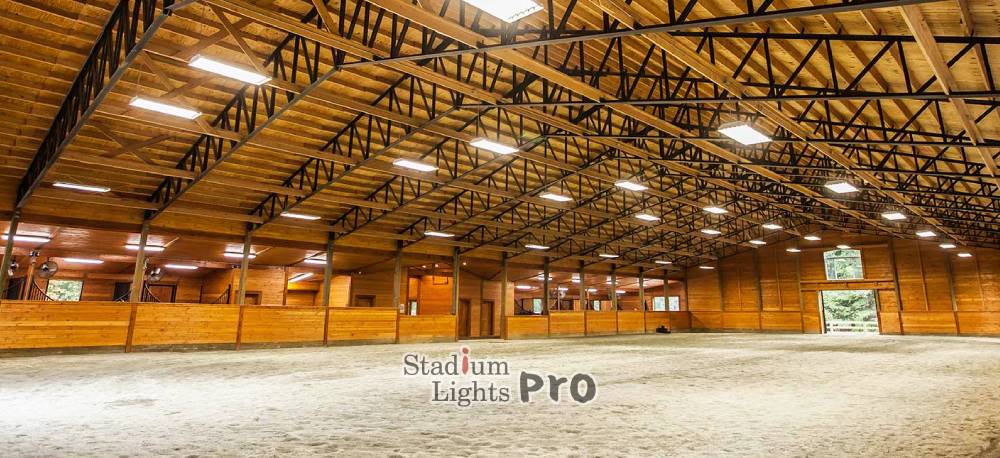
Incorporating a blend of warm and cool color temperatures within horse arenas allows lighting designers and managers to create an environment that closely replicates the natural progression of daylight. This layered lighting approach utilizes the flexibility of modern LED technology, including dimmable fixtures and adjustable color temperature options, to craft dynamic lighting scenes tailored to the specific needs of horses and riders throughout the day.
By varying the color temperature according to the activity and time, arena lighting can enhance both equine comfort and performance. For example, during warm-up sessions and cool-down periods, warmer lighting with color temperatures in the range of 2700K to 3500K can be employed to produce a soothing and calming atmosphere. This softer illumination reduces harsh contrasts and glare, helping to relax horses and ease tension before or after strenuous exercise.
Conversely, during peak training or competitive moments, cooler lighting—typically above 5000K—can be activated to provide bright, clear illumination with high contrast. This type of lighting sharpens visual perception, aiding horses in quickly identifying obstacles, footing changes, and rider cues. The adaptability of layered lighting thus supports a seamless transition between relaxation and heightened alertness, catering to the varied demands of an arena session.
In addition to functional benefits, layered lighting can enhance the overall aesthetic of the arena, creating visually appealing environments that uplift both horses and humans. The ability to adjust color temperature and brightness adds versatility, allowing the space to be customized for different events, times of day, or even individual horse preferences.
Reducing Stress Through Gradual Transitions
Horses are sensitive to abrupt changes in their surroundings, and sudden shifts in lighting color or intensity can cause confusion or stress. To minimize these negative effects, gradual transitions between lighting states are highly effective. Automated lighting control systems can be programmed to slowly adjust both the color temperature and brightness over extended periods, simulating the natural rise and fall of sunlight during dawn and dusk.
These gradual changes help horses acclimate more comfortably to alterations in their environment, reducing the likelihood of startle responses or agitation. Mimicking the natural patterns of sunrise and sunset through slow lighting shifts aligns with horses’ innate sensory perceptions, supporting their circadian rhythms and contributing to a tranquil, familiar atmosphere within the arena.
Moreover, such smooth transitions benefit riders and trainers by providing predictable and consistent lighting conditions, enhancing safety and performance. The integration of smart lighting controls ensures that the lighting environment can adapt automatically to external light conditions, seasonal variations, or scheduled activities without manual intervention.
Overall, combining layered lighting with controlled, gradual transitions fosters an arena atmosphere that respects the sensory needs of horses, promoting well-being and enabling them to perform at their best while feeling secure and comfortable.
Practical Considerations in Choosing Color Temperature for Horse Arenas
Purpose of the Arena
The primary function of a horse arena plays a decisive role in determining the most appropriate color temperature for its lighting system. Different activities demand different lighting qualities to best support the horses’ comfort, safety, and performance. For arenas dedicated to leisurely riding, equine therapy, or rehabilitation, warmer color temperatures ranging from 2700K to 3500K are often favored. These warmer tones create a gentle, soothing environment that can help reduce stress and encourage relaxation in horses. This is particularly valuable during low-intensity activities where calmness and emotional well-being are prioritized.
On the other hand, arenas designed for competitive events, fast-paced training sessions, or multi-purpose use usually require cooler lighting, typically above 5000K. Cooler color temperatures produce higher contrast and clearer visibility, which enables horses and riders to better judge distances, footing, and obstacles during demanding exercises. This enhanced visual environment supports safety by reducing the chances of missteps or accidents and promotes optimal performance in disciplines such as show jumping, dressage, eventing, or racing.
In many equestrian facilities, flexibility is a key factor. Some arenas serve multiple purposes throughout the day or across seasons, making it beneficial to have lighting systems capable of adjusting color temperature and brightness. Such adaptability allows the lighting environment to shift from warm, calming tones during warm-ups or cool-downs to bright, cool illumination during intense training or competition. This versatility not only improves horse comfort but also enhances the overall usability of the arena for various equestrian activities.
Balancing Horse Welfare and Functional Requirements
When choosing color temperatures, it is important to balance the welfare needs of the horses with the functional requirements of the arena. While warmer lighting encourages calmness and relaxation, it may not provide sufficient visibility for activities requiring fast reactions and precise movements. Conversely, cooler lighting supports visual clarity and alertness but can sometimes increase anxiety or stress in more sensitive horses if not managed properly.
Understanding the specific population of horses using the arena, the types of activities most frequently performed, and the preferences of trainers and riders can inform a well-rounded lighting strategy. Incorporating adjustable lighting systems that allow gradual transitions between warm and cool tones helps accommodate both comfort and performance needs. This approach ensures that horses are exposed to lighting that supports their natural behaviors and visual perception while meeting the demands of various equestrian disciplines.
Additionally, consulting with equine behavior experts, lighting professionals, and experienced riders can provide valuable insights into how different color temperatures affect horse behavior and performance. Integrating their expertise into the design and operation of the lighting system promotes an arena environment that is not only functional but also supportive of the horses’ well-being over time.
Time of Day and Seasonal Variations
Natural daylight undergoes substantial changes throughout the day and across the seasons, and these fluctuations have a profound impact on how artificial lighting should be managed within horse arenas. The quality, intensity, and color of sunlight vary from the warm, soft tones of early morning and late afternoon to the bright, cool light of midday. Similarly, the duration of daylight changes with the seasons, with shorter days in winter and longer days in summer. These natural variations create a complex environment that artificial lighting must complement to provide horses and riders with the most comfortable and effective visual experience.
During the shorter daylight hours of winter or in evening training sessions, natural light can be insufficient to maintain safe and clear visibility. In such conditions, cooler lighting with color temperatures ranging from approximately 5000K to 6500K is particularly useful. This cooler, daylight-mimicking illumination compensates for the lack of sunlight by providing bright, high-contrast light that enhances visual clarity and alertness. Horses benefit from this enhanced visibility as it helps them better judge footing and obstacles, reducing the risk of accidents. Riders and trainers also find that this type of lighting supports greater focus and precision during training or competition in low natural light conditions.
Conversely, during the warmer months or in the middle of the day when natural sunlight is abundant and intense, incorporating warmer color temperatures can soften the arena’s lighting atmosphere. Warmer lighting tones, typically in the 2700K to 3500K range, can reduce eye strain for both horses and humans by minimizing glare and harsh shadows created by bright sunlight or powerful artificial lights. This softer illumination creates a more comfortable environment that reduces visual fatigue and helps calm horses during rest periods, cool-down routines, or less intense activities. By balancing the harshness of midday light with warmer tones, arenas can maintain an inviting and relaxing atmosphere that supports the horses’ well-being.
To effectively navigate these daily and seasonal lighting challenges, modern arena lighting systems often incorporate advanced technologies such as light sensors, timers, and programmable controls. These features enable the automatic adjustment of color temperature and brightness levels in response to the changing outdoor light conditions. For example, sensors can detect the fading natural light at dusk and gradually shift the arena lighting from warmer tones to cooler, brighter illumination, ensuring a smooth transition that maintains consistent visibility and comfort.
This dynamic and responsive lighting strategy not only enhances safety and performance but also supports the natural circadian rhythms of horses by mimicking the gradual progression of daylight. By aligning artificial lighting with the patterns of nature, arenas create an environment that feels more familiar and less stressful for horses, contributing to better health and behavior.
Ultimately, addressing time of day and seasonal variations in lighting design ensures that horse arenas remain functional, safe, and comfortable year-round. This thoughtful approach to lighting supports the diverse needs of horses and riders while optimizing energy use and operational efficiency.
Horse Sensitivity and Individual Differences
Just as humans have personal preferences and sensitivities to different types of lighting, horses also exhibit individual responses to varying color temperatures. Some horses may demonstrate increased calmness and better focus under warmer lighting, while others might perform more effectively with cooler, brighter illumination. These differences may be influenced by temperament, training history, or sensory sensitivities.
Observing horses’ behavior and performance under different lighting conditions can provide valuable insights for tailoring the arena’s lighting setup. For example, a horse that becomes restless or anxious under harsh cool lighting might benefit from adjustments to warmer or more diffused light. Conversely, a horse that appears sluggish or inattentive in soft, warm lighting may respond better to increased brightness and cooler tones.
In multi-horse or multi-use facilities, accommodating individual preferences can be challenging but rewarding. Incorporating adjustable lighting systems that allow for gradual transitions and localized control helps to create environments that meet diverse needs, improving the overall comfort and responsiveness of horses and their riders.
Environmental and Energy Efficiency Implications
LED Technology and Color Temperature Options
The advent of LED lighting technology has revolutionized the ability to customize and control the lighting environment within horse arenas. Unlike traditional lighting solutions, LEDs offer a wide range of color temperature options, spanning from warm amber hues around 2700K to cool daylight tones exceeding 6500K. This versatility enables arena managers to select or dynamically adjust lighting to best suit the needs of horses and riders throughout different times of day or types of activities.
One of the standout features of modern LED systems is their dimmability and programmability. LEDs can be smoothly dimmed without flickering, allowing for subtle changes in light intensity that can help mimic natural lighting conditions such as sunrise, midday brightness, and sunset. Furthermore, many LED fixtures support tunable white technology, meaning the color temperature can be altered on demand. This flexibility supports creating layered and adaptive lighting scenes that promote equine comfort and safety while responding to the functional demands of the arena.
Beyond the equine benefits, these technological advancements contribute to significant environmental advantages. LEDs are more energy-efficient than conventional lighting, consuming less power to produce the same amount of light. This efficiency reduces the overall carbon footprint of arena operations and contributes to lower utility bills, making LED lighting a sustainable choice for equestrian facilities.
Energy Use and Maintenance
While LED fixtures that emit cooler color temperatures may sometimes draw marginally more power when operated at full brightness compared to their warmer counterparts at lower outputs, modern LED drivers and smart lighting controls effectively mitigate unnecessary energy consumption. These systems can automatically adjust brightness and color temperature based on activity schedules, ambient light levels, or sensor input, optimizing energy use without compromising visual quality or horse comfort.
Maintenance also plays a crucial role in sustaining the desired lighting conditions and energy efficiency. Over time, dust accumulation, fixture aging, or component degradation can reduce brightness and alter color temperature, potentially impacting both horse perception and arena safety. Regular cleaning, timely replacement of components, and routine performance checks help preserve the integrity of the lighting system.
Properly maintained LED lighting ensures consistent illumination quality, which is vital for providing a stable visual environment that horses can trust. This consistency helps prevent confusion or stress caused by fluctuating light levels and supports the long-term operational efficiency of the facility.
Conclusion
The relationship between color temperature and horse behavior is multifaceted and shaped by the unique characteristics of equine vision and sensitivity. Warm lighting tends to create a calming, inviting atmosphere that can reduce stress and support relaxed activities. Cooler lighting enhances visibility and alertness, benefiting more vigorous training and competitive scenarios, though it may introduce some discomfort for sensitive horses.
Striking a balance through adjustable and layered lighting systems offers the best approach to accommodate varied needs. Such systems can replicate natural light cycles, easing transitions and aligning with horses’ circadian rhythms. Considering the arena’s purpose, the individual responses of horses, and the time of day supports the creation of an environment that fosters both comfort and performance.
Advancements in LED technology have expanded possibilities for tailoring color temperature, allowing for dynamic lighting that can adapt throughout the day and across activities. With thoughtful planning and attention to how horses experience light, arena lighting can become a tool for enhancing equine welfare and supporting riders in their goals.