

Lighting a racecourse goes beyond placing a few lamps around a track. A racecourse covers a large area, often with curves, elevations, and varying track surfaces. Each of these aspects must be considered when designing a lighting system that provides consistent visibility. The purpose of racecourse lighting extends beyond rider and animal visibility—it also includes broadcasting standards, spectator comfort, and safety protocols.
Due to the scale and technical demands of racecourses, lighting systems must be powerful, strategically positioned, and capable of withstanding outdoor elements. These requirements naturally affect the operating cost. The running cost is not just tied to the energy used but also to factors like lighting design, control systems, maintenance routines, and local utility rates.
Understanding the Scope of Energy Use
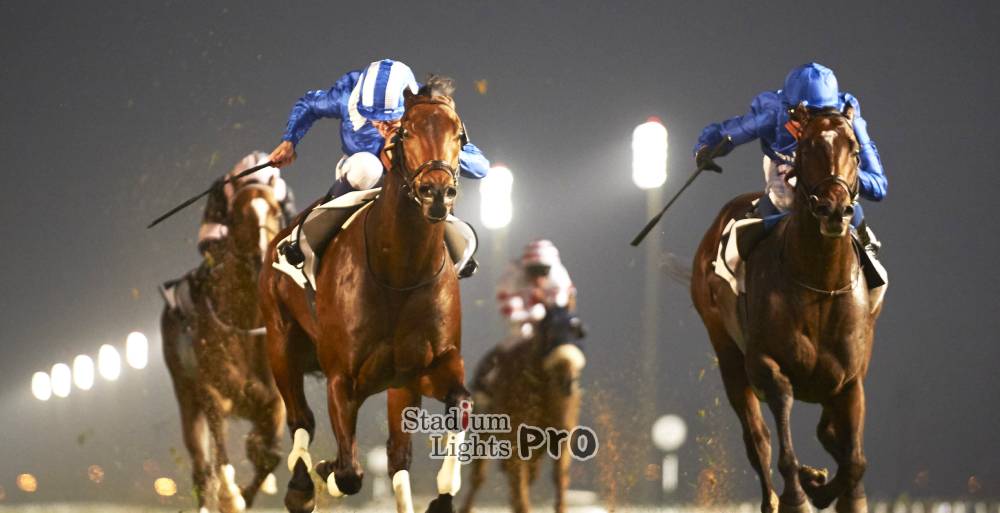
The bulk of the running cost for racecourse lighting stems from energy consumption. Large-scale racecourses can use hundreds of high-powered LED or metal halide fixtures, each consuming several hundred to thousands of watts. A typical evening event can require the lighting system to operate for 3 to 6 hours, sometimes longer depending on programming or practice schedules.
Energy demand increases proportionally with the number of light fixtures and the wattage used per fixture. A well-lit racecourse might require upwards of 1,000,000 lumens to ensure visibility across the full area. While LED lighting offers greater efficiency, the energy draw is still substantial when scaled across the entire track.
Regional Electricity Pricing and Utility Contracts
| Region | Average Rate (per kWh) | Lighting Use per Event (kWh) | Cost per Event | Events per Year | Annual Energy Cost | Monthly Demand Charge | Total Annual Cost |
|---|---|---|---|---|---|---|---|
| Washington State, USA | $0.09 | 1,200 | $108 | 120 | $12,960 | $0 | $12,960 |
| California, USA | $0.18 | 1,200 | $216 | 120 | $25,920 | $1,500 | $43,920 |
| Germany | €0.25 | 1,200 | €300 | 120 | €36,000 | €1,200 | €50,400 |
| France | €0.12 | 1,200 | €144 | 120 | €17,280 | €0 | €17,280 |
| New South Wales, Australia | AUD $0.23 | 1,200 | AUD $276 | 120 | AUD $33,120 | AUD $1,100 | AUD $46,320 |
| Texas (Deregulated Market) | $0.085 | 1,200 | $102 | 120 | $12,240 | $0 | $12,240 |
Where a racecourse is located plays a substantial role in determining how much it pays per kilowatt-hour (kWh) of electricity. Rates vary not only from country to country but even between cities and utility providers within the same state. These fluctuations are driven by local infrastructure, the mix of power generation sources, government policies, and the demand placed on regional grids.
Electricity Rates by Region
In the United States, average commercial electricity rates typically range from $0.08 to $0.18 per kWh. For example, in Washington State, racecourses might pay around $0.09 per kWh due to the region’s reliance on hydroelectric power. By contrast, a racecourse in California may face rates of $0.17 or more per kWh due to higher operational costs and regulatory surcharges.
In Europe, rates can be even more varied. In France, commercial electricity might average €0.12 per kWh, whereas in Germany, racecourse facilities can pay upward of €0.25 per kWh, largely due to renewable energy subsidies and grid taxes. In Australia, racecourses in regions like New South Wales may pay about AUD $0.23 per kWh, while rural areas might benefit from lower rates if subsidized by state energy policies.
Impact on Monthly Lighting Bills
To understand the influence of these rates, consider a racecourse using a lighting system that consumes 1,000 kWh per event. At a rate of $0.10 per kWh, the energy cost per event is $100. But in a region where the rate is $0.18 per kWh, the same event would cost $180—an 80% increase. Over 100 events per year, that difference amounts to $8,000.
Higher regional rates can result in tens of thousands of dollars in additional annual expenses for large venues with frequent events. This is why geographic location is a central factor in budgeting for lighting operations.
Understanding Demand Charges
In addition to per-kWh charges, many utility companies impose demand charges on commercial customers. These charges are based on the highest 15- or 30-minute interval of electricity usage during the billing cycle. For racecourses, which typically power up all lighting systems at once, demand charges can be significant.
For example, if a racecourse peaks at 150 kW during event start-up, and the utility charges $12 per kW in demand charges, that results in an additional $1,800 for the month. Over a year, if that pattern holds, the demand-related charges alone could surpass $20,000.
Peak vs. Off-Peak Usage
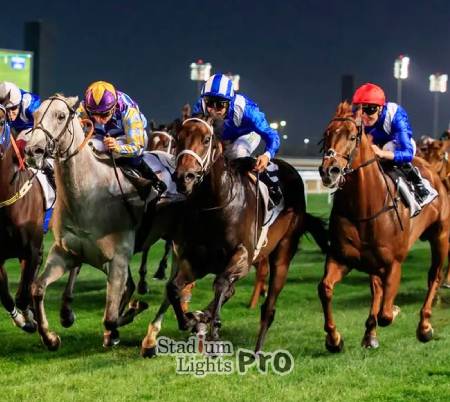 Racecourses that host events during evening hours often coincide with peak demand periods on the grid. Electricity during these hours tends to be more expensive. Some providers offer time-of-use pricing plans where off-peak hours (usually late night to early morning) come with lower rates. If events can be shifted slightly to avoid peak windows, cost reductions are possible.
Hosting events even one hour later can move usage into a lower cost bracket, especially in regions with aggressive peak pricing structures. In some cases, moving from a peak rate of $0.22 per kWh to an off-peak rate of $0.12 per kWh can cut lighting expenses by almost half for that period.
Custom Utility Contracts and Negotiated Rates
Large commercial consumers like racecourses may be eligible to negotiate custom contracts with local utilities. These contracts can include fixed-rate plans that protect against market volatility, or demand-side management agreements that reward the facility for reducing load during peak periods.
Racecourses using more than 100,000 kWh annually often qualify for such programs. By locking in a fixed rate of $0.11 per kWh over three years, a venue might avoid seasonal rate spikes that could push costs up to $0.16 or more.
Incorporating Renewable Energy Credits
Some racecourses participate in green energy programs by purchasing renewable energy credits (RECs) to offset electricity use. While this does not reduce the direct per-kWh rate, it provides environmental benefits and may be incentivized through tax credits or public funding.
Facilities purchasing RECs may receive rebates that effectively reduce their net energy expenditure. For example, a venue spending $60,000 annually on power might receive $5,000 to $10,000 in clean energy subsidies.
Energy Management Strategies for Rate Optimization
Adopting load-shifting strategies and real-time energy monitoring can help racecourses minimize usage during peak intervals. Automated control systems can power up lighting zones in stages, avoiding a sudden spike that triggers high demand charges.
Energy dashboards can track daily use and compare it against peak demand limits. Some facilities use predictive analytics to simulate expected loads and adjust in advance to stay within more favorable billing thresholds.
Case Study: Rate Impact on Annual Costs
Consider two identical racecourses, each operating for 120 events per year, with lighting systems consuming an average of 1,200 kWh per event. At $0.09 per kWh, the annual lighting energy cost is $12,960. At $0.18 per kWh, it climbs to $25,920. That is a direct cost difference of $12,960 simply due to the regional rate.
Now add a monthly demand charge of $1,500 in one region, totaling $18,000 annually. Combined with the higher energy rate, the total cost could approach $44,000 annually compared to only $12,960 in a lower-cost region with no demand charge.
Location alone can create a cost gap of over $30,000 per year for similar racecourse operations. This highlights the value of informed contract negotiation and proactive energy management.
Opportunities in Deregulated Energy Markets
In some regions, particularly in parts of the U.S., electricity markets are deregulated. This means racecourses can choose from multiple electricity suppliers, each offering different rate structures and incentives. This creates opportunities to find contracts better aligned with usage patterns.
For example, in Texas, commercial facilities can compare rates from over a dozen providers. A racecourse could secure a contract at $0.085 per kWh while competitors pay $0.12 under default service. Over 100,000 kWh, that difference saves $3,500 annually.
The Influence of Fixture Type on Cost
LED Lighting Efficiency and Consumption
Modern LED fixtures are designed to provide high lumen output with far less energy than traditional lighting types. For racecourses, this translates to lower electricity usage during every event. A 1,000-watt metal halide fixture might be replaced with a 400-watt LED unit without compromising visibility standards. Over time, this reduced power draw leads to meaningful energy savings.
For example, replacing 100 metal halide fixtures with LEDs can cut energy use by up to 60%. If each event consumes 1,200 kWh with metal halides, converting to LED may reduce that figure to just 480 kWh. At an average cost of $0.12 per kWh, energy expense per event could drop from $144 to $57.60.
Fixture Lifespan and Maintenance Requirements
Another consideration is the frequency of fixture replacement and upkeep. LED systems often last between 50,000 and 100,000 hours, compared to metal halide bulbs that may require replacement after 6,000 to 15,000 hours. This reduces labor costs, minimizes downtime, and cuts back on disposal or recycling fees associated with worn-out bulbs.
Fewer maintenance cycles over the system’s lifetime decrease overall running costs. For a racecourse operating 1,000 hours per year, a metal halide system might need lamp replacements every 6 to 10 years, while LEDs could last over 20 years with minimal degradation in performance.
Heat Output and Cooling Implications
Metal halide fixtures emit considerable heat, which can increase the load on ventilation or air conditioning systems in enclosed or semi-enclosed racecourse structures. LEDs, in contrast, emit far less radiant heat, reducing the strain on HVAC systems.
Lower ambient heat generation from LEDs may result in 5–10% savings on climate control expenses in buildings where airflow and temperature control are required during events.
Initial Investment and Long-Term Value
The upfront cost of LED installation is typically higher, sometimes 1.5 to 3 times more than a comparable metal halide setup. However, the longer operational life and lower energy consumption result in a shorter payback period. Many racecourses recoup their investment in under five years.
In a 10-year span, total operational savings from LED fixtures often surpass their initial cost. For example, if LED installation costs $150,000 more than traditional lights, but saves $25,000 per year in electricity and maintenance, the savings reach $250,000 by the decade’s end.
Fixture Choice and Lighting Quality
LED systems also offer benefits in terms of light uniformity and color rendering, both of which enhance the visual experience for spectators and broadcasters. Better lighting quality can also improve safety for race participants. While not a direct cost, such improvements can affect racecourse reputation and revenue potential.
By choosing fixtures that meet visibility standards with fewer units, a racecourse might reduce the number of poles and associated structural supports, thereby lowering installation and maintenance tasks in the long term.
Duration and Frequency of Use
Impact of Nightly vs. Occasional Events
Lighting costs grow in direct proportion to the number of hours the system is operated. Racecourses that host night events multiple times per week will face steeper operational expenses than venues used only occasionally for special events. A facility running lights for 30 hours a week incurs 1,560 hours of lighting operation per year, compared to just 300 hours for seasonal venues.
If a racecourse uses 500 kWh per hour, extended use could mean the difference between $5,400 and $28,080 annually at an energy rate of $0.12 per kWh. The frequency of use makes a considerable impact on electricity bills.
Training Sessions and Rehearsals
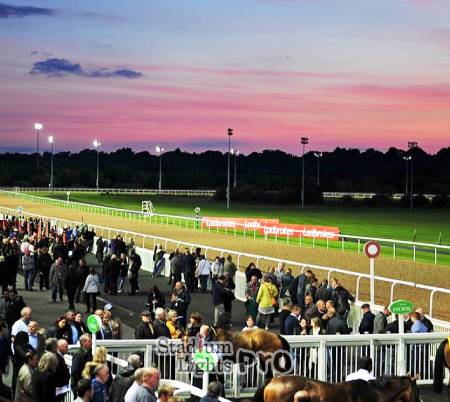 While race days receive primary attention, many racecourses also operate lights for training, rehearsal, and media testing. These sessions might not generate direct revenue but still contribute to power consumption. A few hours of lighting each weekday can add over 200 hours annually to total usage.
Supplemental lighting for non-event activities can add $2,000–$5,000 to annual costs depending on duration and intensity. Facilities with integrated schedules often see these overheads quietly accumulate over the season.
Weekend vs. Weekday Operation
Racecourses that consolidate events to weekends may avoid higher weekday peak electricity pricing. Utility providers often charge premium rates during standard business hours (Monday–Friday, 8 AM to 6 PM). Scheduling events during evenings or weekends can reduce average per-kWh charges by 15–30%.
Choosing a weekend schedule could lower annual lighting expenses by several thousand dollars simply through more favorable energy rates.
Fixture Dimming and Adaptive Use
Advanced LED systems support dimming capabilities, allowing lighting levels to be tailored to the event or time of day. For early setup or post-event cleanup, lighting may be lowered to 50% capacity. If implemented strategically, this can reduce total kWh usage by up to 20%.
Dimming functionality contributes directly to lower energy bills without sacrificing functionality. Over a year, the ability to dim lighting by even 10% during low-traffic hours could mean a reduction of $1,000–$3,000 in utility costs.
Year-Round Operation vs. Seasonal Use
Racecourses located in temperate climates may operate year-round, while others in colder regions limit events to spring through fall. A facility hosting events during nine months of the year will naturally spend more on lighting than one with a three-month summer season. However, off-season maintenance also contributes to total lighting system use.
Even a modest monthly lighting load during the off-season for upkeep, cleaning, or testing adds to running expenses. A few hours per week could result in over 100 hours of additional operation by the next race season.
Wear and Tear from Frequent Use
Higher usage frequencies result in more frequent component degradation. Even with LED systems, drivers and power supplies may wear out faster under extended daily use. Facilities that run lights five or six nights a week should anticipate accelerated replacement schedules and budget accordingly.
Higher duty cycles shorten the effective lifespan of components and raise annual maintenance costs. Budgeting for replacements every 6–7 years instead of 10–12 can increase long-term expenditure.
Maintenance and Repair Considerations
Environmental Impact on Fixtures
Outdoor racecourse lighting systems are consistently exposed to various weather conditions, including rain, snow, wind, and temperature fluctuations. These factors contribute to the wear and tear on fixtures, leading to the need for regular maintenance. For example, dust and debris buildup on lenses can significantly reduce light output, leading to uneven illumination and diminished visibility.
Racecourses located in regions with extreme climates may experience higher maintenance costs due to the additional stress placed on lighting systems. In coastal areas, the corrosion of metal components from salt in the air may be a factor, while cold temperatures in northern regions can cause bulbs to fail more rapidly.
Routine Cleaning and Adjustment
One of the basic forms of maintenance involves cleaning and re-aiming lights. Outdoor fixtures are often subject to the accumulation of dirt, dust, bird droppings, and other environmental contaminants. Regular cleaning ensures the system operates efficiently by preventing light pollution and maintaining proper illumination levels. Additionally, adjustments might be needed to keep lights properly aimed and aligned for optimal coverage.
Cleaning intervals vary by location, but fixtures often need attention every 6–12 months. For a racecourse with 100 fixtures, this could require 10–15 hours of labor annually, adding an average of $1,000–$3,000 to yearly operational expenses.
Component Wear and Replacements
Another significant factor is the wear of components such as ballasts, drivers, and lens covers. For traditional lighting systems, ballasts are critical for regulating voltage and current. Over time, ballasts can degrade, especially under the strain of frequent use, necessitating their replacement. In LED systems, drivers (which control the electrical power to the LEDs) are the most likely components to require servicing.
Failure of key components can result in costly repairs or even system downtime, disrupting events and causing operational delays. On average, the lifespan of ballasts in metal halide systems ranges from 3 to 5 years, while LED drivers typically last between 5 to 10 years. The need for replacements can add anywhere from $2,000–$10,000 annually to the maintenance budget, depending on the size of the system.
Labor Costs for Maintenance
Labor costs associated with lighting maintenance can quickly accumulate, especially when technicians must work at height to service outdoor fixtures. Most racecourses require specialized personnel to handle the installation, repair, or maintenance of lighting systems, including the use of aerial lifts or scaffolding. These activities tend to be more expensive when complex systems are in place, particularly if older fixtures require more frequent attention.
Labor costs are a substantial part of maintenance expenses, with rates ranging from $50 to $150 per hour for specialized technicians. For instance, a team of two workers might charge $2,000 for a 12-hour service call, including both labor and equipment. Over the course of a year, this could easily amount to $10,000–$20,000, depending on the complexity of the system and frequency of required service.
Maintenance for Older Lighting Systems
Older lighting technologies, such as metal halide and high-pressure sodium, are more prone to failure, which results in higher maintenance and repair costs. These systems also tend to have lower energy efficiency, which can exacerbate the wear and tear on components due to heat generation. In addition, their parts may no longer be readily available, leading to increased costs for replacements or repairs.
Older systems may need to be retrofitted with modern components or fully replaced after several years of continued use. Retrofitting can sometimes be a cost-effective solution to extend the life of older fixtures, but in many cases, the overall maintenance costs may outweigh the benefits of maintaining outdated equipment. As racecourses continue to shift toward LED technology, the potential savings from reduced repairs and replacements become more apparent.
Cost of Downtime and Operational Disruption
Unscheduled downtime due to lighting failures or malfunctioning components can lead to operational disruptions that affect event scheduling and overall facility performance. For a racecourse hosting a major event, downtime could lead to significant financial losses from ticket refunds, lost concessions, or rescheduling. The cost of repair, along with any lost revenue, can quickly escalate into tens of thousands of dollars.
Reducing the frequency of downtime through proactive maintenance is a strategy that saves costs in the long run. Even if the repair itself may not be expensive, the impact on event logistics and attendee satisfaction is a hidden cost that should be factored into any operational planning.
Long-Term Benefits of LED Systems
One of the key advantages of LED lighting systems is their significantly lower maintenance demands. LEDs require fewer replacements over their lifespan, and the need for cleaning and adjustments is generally less frequent. As LEDs do not generate excessive heat, there is less strain on the components, reducing the likelihood of failure.
LED systems can reduce maintenance labor by 50–75% over the long term, particularly when compared to older lighting systems. This reduction in maintenance needs directly lowers labor costs and parts replacements, providing racecourses with a more predictable and manageable budget. For example, an LED system might cost $5,000 less per year in maintenance compared to a comparable metal halide system.
Warranty and Service Contracts
Many LED lighting systems come with extended warranties, often covering 5 to 10 years, which can significantly reduce the financial burden of repair costs. Manufacturers may also offer service contracts, which include regular maintenance and preventative checks. These service contracts allow racecourses to budget more effectively for maintenance and repair needs while ensuring that their lighting systems are kept in optimal condition.
Service contracts often cover all aspects of maintenance, including parts replacement, labor, and system diagnostics, providing additional peace of mind and financial predictability. While these contracts come at a cost (typically 5–10% of the installation cost per year), they can save substantial amounts in the event of major repairs or system failures.
Staffing and Monitoring
On-Site Technical Staff Requirements
Racecourses often require dedicated on-site technical staff to manage their lighting systems during events, especially if the system is not fully automated. This personnel typically includes lighting technicians, electricians, and supervisors who are responsible for the installation, maintenance, and operation of the lighting fixtures. They play a crucial role in ensuring that the lighting system functions properly during live events, where even a slight malfunction could disrupt the entire race or performance.
The staffing costs for these technical personnel should be considered as an ongoing operational expense. The number of staff required depends on the size of the venue and the complexity of the lighting system. For example, a smaller racecourse might need only one or two technicians for monitoring, while larger venues may require a team of electricians and supervisors to handle more sophisticated systems. These wages add up quickly, especially during high-demand events.
Roles and Responsibilities of Lighting Technicians
Lighting technicians are directly responsible for ensuring that the lights are properly set up before an event and that they continue to function smoothly throughout. Their responsibilities include programming the lighting controls, checking for potential faults, and adjusting the lights as necessary to meet the needs of the event. For example, they might adjust the intensity of the lights to account for changes in weather conditions, such as sudden cloud cover or the onset of evening.
Technicians are often required to be on-site for several hours before the event begins, ensuring that the system is functioning optimally and that backup solutions are in place in case of system failure. This early setup time, along with their ongoing presence during the event, can contribute to a significant portion of staffing costs.
Electricians and Troubleshooting During Events
Electricians also play an important role, particularly when issues arise that go beyond simple programming errors. They are often called in to troubleshoot or repair electrical components, such as wiring or ballasts, which can fail unexpectedly. The complexity of the electrical infrastructure means that having a qualified electrician on-site is crucial for quick resolution of any issues that may arise during the event.
Unexpected electrical failures can be costly and disruptive, potentially leading to delays or the cancellation of events. Having electricians on hand ensures that any problems are dealt with quickly, allowing the event to continue with minimal disruption. The cost of hiring qualified electricians, however, should be factored into the overall operational budget.
Supervisory Roles and Coordination
Supervisors are often tasked with overseeing the entire lighting operation during events. They coordinate between the technical team, event organizers, and the racecourse management to ensure that everything runs smoothly. Their role also includes managing the timing of the lighting activation, monitoring the system for faults, and ensuring that energy usage is optimized throughout the event.
Supervisory roles are necessary for overseeing the more complex operational aspects of lighting systems, particularly in larger venues where multiple lighting setups and adjustments may be required simultaneously. They ensure that any technical issues are addressed before they impact the event and help maintain the overall safety and effectiveness of the lighting system.
Balancing Automation with Human Oversight
With the advancement of lighting technologies, many racecourses have moved toward more automated lighting systems, which can reduce the need for human intervention. Automated systems allow for pre-programmed schedules, real-time adjustments based on environmental conditions, and automatic fault detection. However, even with automation in place, human oversight remains necessary to ensure the system operates correctly, especially during large or complex events.
Finding the right balance between automation and staffing is critical to maintaining both reliability and efficiency. Fully automated systems can reduce the need for constant monitoring, but having personnel on-site ensures that there is someone available to troubleshoot problems quickly. Striking the right balance can reduce labor costs while ensuring that the lighting system operates smoothly and without disruption.
Monitoring Systems and Remote Management
Another consideration for racecourses is the implementation of remote monitoring systems. These systems allow for real-time tracking of lighting performance from a centralized location, meaning that technicians do not always need to be physically present at the venue. Remote systems can detect issues like dimming, flickering, or component failure and alert staff to take corrective action.
Remote monitoring systems can help racecourses save on staffing costs by enabling technicians to manage lighting from a distance, reducing the number of on-site personnel needed. However, even with these systems in place, it’s still beneficial to have on-site staff for immediate response, especially in cases where manual intervention is required.
Comparing Daytime and Nighttime Usage
Electricity Costs During Daytime Events
While most racecourses primarily rely on their lighting systems during nighttime events, daytime races also influence energy consumption. Although natural sunlight typically eliminates the need for artificial lighting during the day, there are situations where supplementary lighting is still required. Overcast days, for instance, may reduce the amount of natural light available, requiring racecourses to activate their lighting systems even during daylight hours. Additionally, events broadcasted on television may require extra lighting to ensure proper camera coverage, even during the day.
In such cases, supplemental lighting can add anywhere from 10–20% to the typical electricity usage for daytime events. A racecourse that uses 1,000 kWh during a typical nighttime event may consume an additional 100–200 kWh during a daytime race that requires supplemental lighting. While these figures are relatively low, they still contribute to overall operational expenses.
Nighttime Energy Consumption and Efficiency
Nighttime events, where lighting systems are fully utilized, lead to significantly higher energy consumption than daytime races. The intensity and duration of the lighting required for clear visibility of both participants and spectators typically result in the highest electricity bills. For larger events, where the lighting needs are more intense, energy usage can spike dramatically.
For example, a racecourse operating 50 high-powered lights for 5 hours during a nighttime race could consume up to 2,500 kWh, depending on the wattage of the fixtures. At an average cost of $0.12 per kWh, this equates to an electricity cost of $300 for a single event. Nighttime events, with their extended hours of lighting use, are typically the largest contributor to annual lighting expenses.
Supplemental Lighting Costs and Considerations
Even during daytime operations, the potential for supplemental lighting creates a cost burden. Lighting used for special purposes such as illuminating certain sections of the track, highlighting specific race features, or enhancing audience experience for media purposes can still drive up electricity consumption. For example, a racecourse hosting televised daytime races might use lighting for visual effects or to ensure uniformity across the entire venue.
While such costs are relatively minor compared to full nighttime operations, they still add up over time. Facilities that host a significant number of televised or high-profile events may find that even modest lighting usage during the day contributes significantly to their total yearly energy expenditure.
Baseline Maintenance and Monitoring Costs
Even when lights are not in use during daytime operations, racecourses must maintain and monitor their lighting systems. This includes regular checks to ensure all bulbs and fixtures are functioning correctly and are ready for use at night. Systems may require periodic inspections for damage, power supply issues, or software glitches in automated control systems.
Maintaining lighting readiness throughout the day, regardless of whether they are in use, still incurs fixed costs. These baseline maintenance costs can add up, particularly when the system is sophisticated with automated features, sensors, or network connectivity. Monitoring systems alone may require specialized staff or services, contributing to ongoing operational expenses.
Scheduling and Event Timing
Impact of Peak Utility Hours on Running Costs
The timing of events plays a significant role in the overall running cost of a racecourse. Many energy providers charge higher rates during peak utility hours—typically from 8 AM to 6 PM on weekdays—when demand for electricity is highest. Hosting events during these peak hours means racecourses will incur additional charges that are passed on by utility providers.
Peak hours can lead to energy surcharges as high as 25–30% over regular rates, depending on the provider. A racecourse that hosts an event during peak hours, using 2,000 kWh for lighting, could see their bill increase by $500–$600 at a rate surcharge of $0.30 per kWh.
Off-Peak Hours and Energy Cost Savings
Conversely, hosting events during off-peak hours—typically in the evening or early morning—often comes with reduced energy rates. These times are less demanding on the overall grid, which is why electricity providers offer lower rates during these periods. By scheduling events during off-peak times, racecourses can significantly reduce their lighting costs.
Hosting events at off-peak hours can reduce electricity bills by 15–30%, making it a viable strategy for cost-saving. For example, if a racecourse holds an event during an off-peak period and uses 1,000 kWh, the electricity cost could drop by $150–$300, depending on the local utility rates.
Shifting Event Timing to Maximize Cost Efficiency
An effective strategy for managing lighting costs is shifting event timings to align with the lowest utility rates. Many racecourses are beginning to optimize their schedules to avoid peak hours, even if it means rescheduling events or adjusting event times. Automated control systems for lighting can further help by ensuring lights are only activated when absolutely necessary and dimmed during lower-demand hours.
Implementing a flexible event schedule that utilizes lower-cost time slots can save a racecourse thousands of dollars annually. Additionally, by coordinating closely with local energy providers, racecourses can identify the most favorable hours for energy use and plan events accordingly. These savings can be reinvested into facility upgrades, event enhancements, or marketing initiatives, maximizing the return on operational investments.
Collaborating with Utility Providers for Special Rate Plans
Racecourses that have regular, high-demand lighting needs might consider negotiating with their local utility providers for special rate plans or off-peak packages. Some providers offer customized plans for businesses that experience predictable and consistent energy usage patterns. These contracts can lock in lower rates for extended periods, providing more financial stability and predictability.
Collaborating with utility providers can unlock favorable contracts that offer better pricing and lower overall costs, especially if a racecourse has high or regular electricity demand. By working together, both parties can come to agreements that benefit both the racecourse and the utility provider, ensuring sustainable operational costs over time.
Conclusion
Racecourse lighting carries ongoing costs that reflect the scale, complexity, and frequency of usage involved in illuminating such expansive outdoor venues. Every aspect—from fixture type to automation—affects how much it costs to keep a racecourse properly lit for events, training, and broadcasting. The choice between traditional and LED lighting plays a defining role in electricity consumption and maintenance cycles. Automation and smart control systems reduce waste and bring long-term savings, while regional utility rates and event timing add another layer of financial impact.
Taking a comprehensive approach to managing racecourse lighting helps create a balance between performance and operational expenditure. Tracking consumption patterns, investing in efficient technologies, and exploring sustainability options allows venues to maintain lighting standards while navigating budget constraints. Ultimately, the running cost of racecourse lighting is shaped by a web of design, technology, and operational decisions, each of which contributes to both current expenses and future savings.